

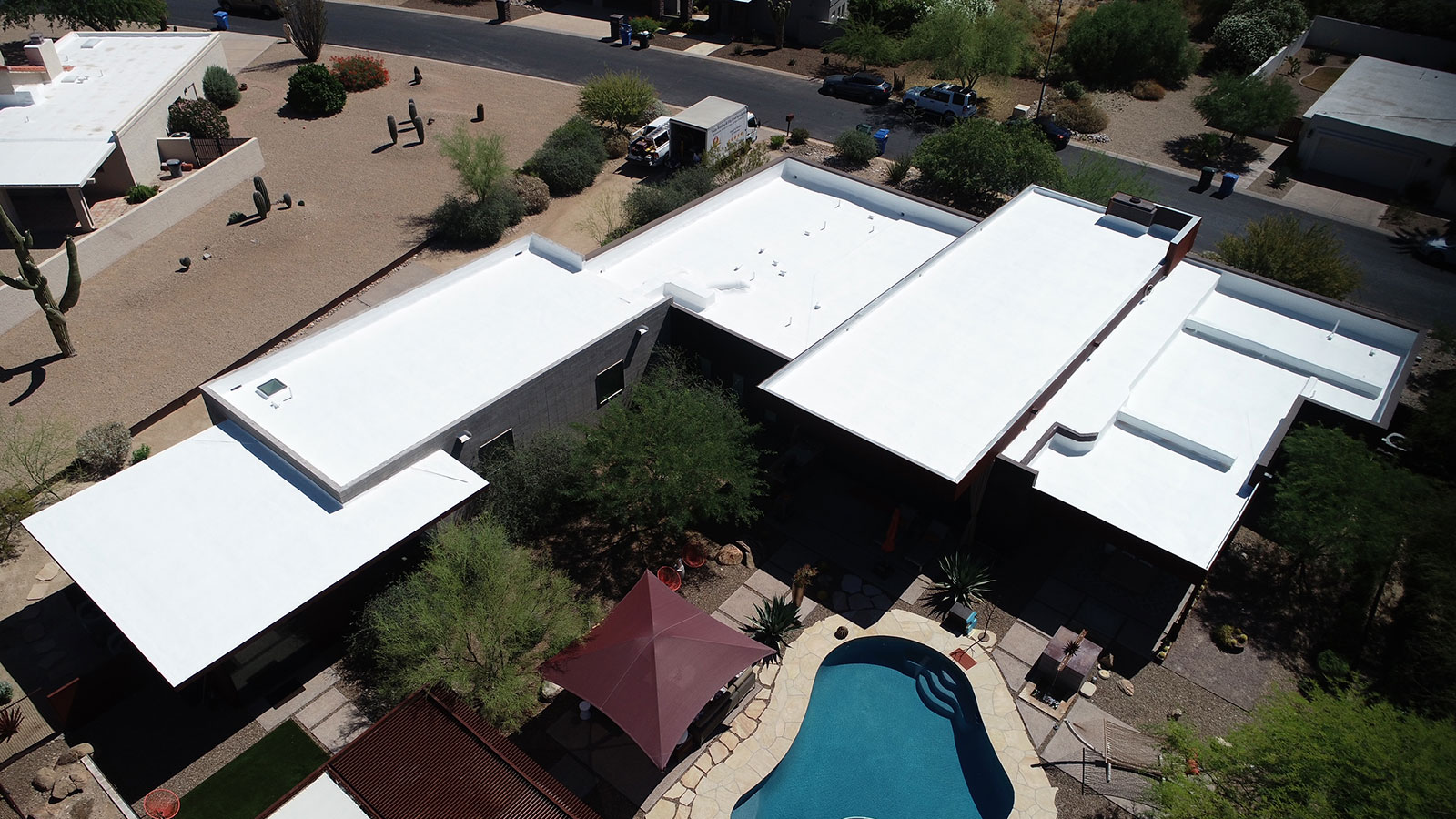
Foam roofing is one of the most reliable systems for homes and commercial buildings across Chandler, Scottsdale, and the greater Phoenix area. When the protective coating is in good shape, it helps keep interiors cooler, sheds monsoon rain, and shields the foam from Arizona’s intense sun. When that coating wears down, even a well-installed foam roof can begin to leak, blister, or break down long before its time.
MSW Contracting has installed, repaired, and recoated foam roofs for decades throughout Chandler, Scottsdale, Mesa, Phoenix, and surrounding communities. From leaking roof repairs with new foam sections in Chandler to full foam roof coating projects in Scottsdale, the team has seen how properly maintained coatings extend roof life—and how neglected coatings quickly lead to costly damage.
This guide explains how foam roof coatings work in Arizona’s climate, why they fail, how long they typically last, and when MSW recommends recoating, repairing, or replacing a foam roof.
How Foam Roofing and Coatings Work in Arizona
A foam roof starts with spray polyurethane foam (SPF) that is applied in liquid form and expands into a seamless, insulated surface. That foam is then covered with a protective coating—usually a white elastomeric system—designed to shield the foam from UV rays, weathering, and standing water. Industry organizations such as the National Roofing Contractors Association (NRCA) note that properly selected and maintained roof coatings can help extend the service life of low-slope roofing systems when installed over suitable substrates and kept in good condition.
On the main foam roofing service page, MSW highlights several advantages of a properly coated foam roof in Arizona:
- Continuous, seam-free surface: No seams means fewer weak points where leaks can start.
- Lightweight but durable: Foam roofing weighs significantly less than many traditional flat roof systems, which is helpful on older homes and commercial structures.
- Energy efficiency: The foam and reflective coating work together to reduce heat transfer into the building.
- Low maintenance with proper coating: When the topcoat is inspected, cleaned, and renewed on schedule, the underlying foam can perform for many years.
The coating is what keeps that system protected from Arizona’s sun and storms. When it thins, cracks, or peels, the foam underneath becomes vulnerable.
Why Foam Roof Coatings Fail in Chandler & Scottsdale
In MSW’s field inspections across Chandler and Scottsdale, foam roof coatings tend to fail for a handful of predictable reasons:
- UV breakdown: Arizona’s sun is unforgiving. Over time, constant UV exposure causes the topcoat to chalk, fade, and lose thickness. Once the coating wears through, the foam begins to discolor and oxidize.
- Monsoon and storm wear: Wind-driven rain and debris during monsoon season gradually erode weak coating areas, especially at parapet walls, around equipment, and near transitions to tile or shingles.
- Ponding water: Low spots on flat or low-slope roofs allow water to sit after a storm. This accelerates coating wear and often lines up with leak locations.
- Foot traffic and service work: HVAC service, satellite installations, and other roof visits can compress foam, scuff the coating, or cause small punctures if walk pads and protection weren’t installed.
- Older or inconsistent repairs: Many roofs show multiple generations of patching and partial recoats. Those mismatched areas often break down sooner than the surrounding field.
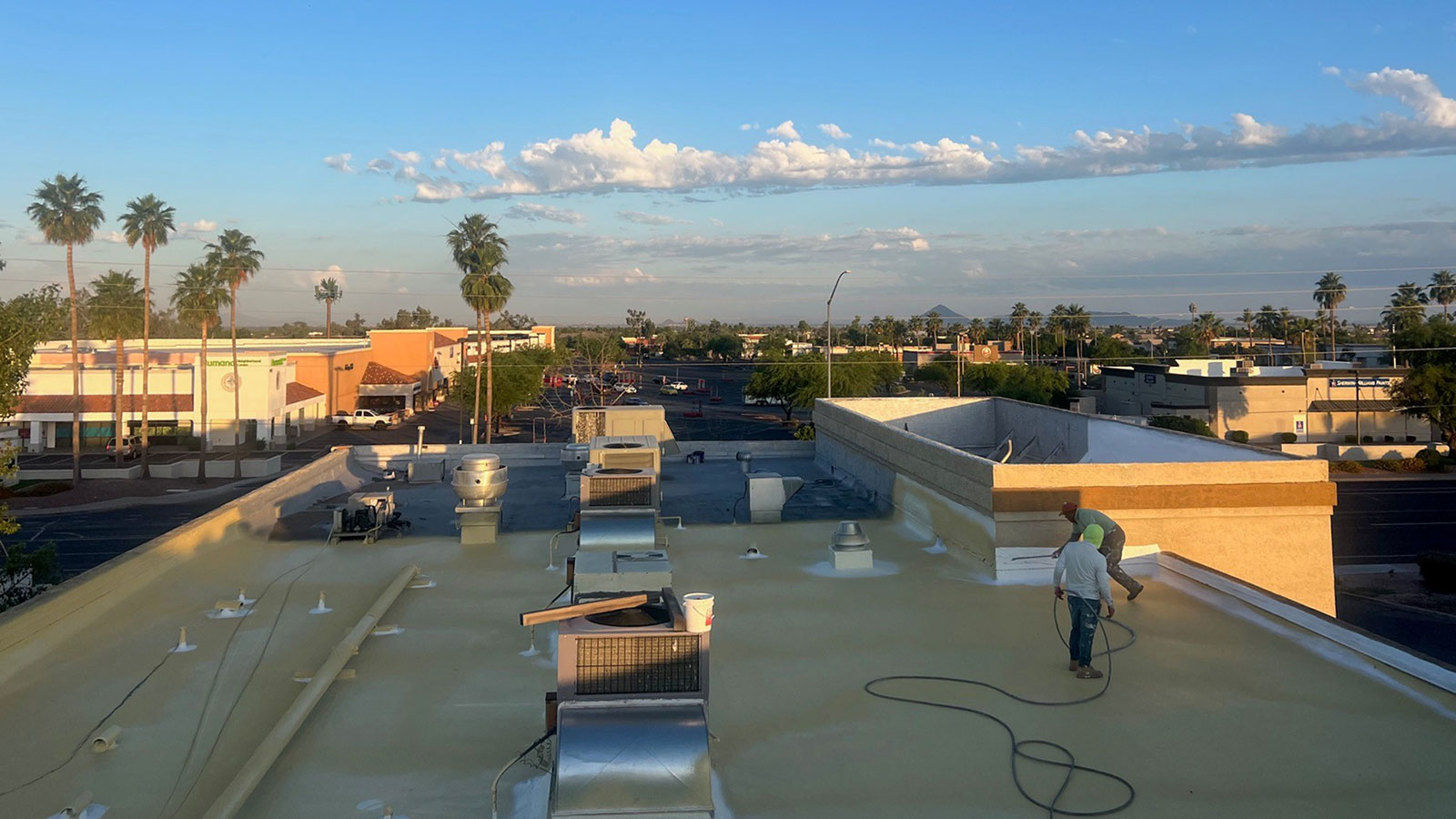
MSW documents these conditions regularly in project recaps such as this Scottsdale foam roof coating project, for a commercial building where the team cleaned the roof, repaired splits and cracks in the existing foam and coating, and installed a fresh elastomeric topcoat to restore protection.
How Long Foam Roof Coatings Last in Arizona
Foam roofs themselves can provide long-term service when they are inspected regularly and recoated before damage gets out of hand. Based on MSW’s experience on roofs across Chandler, Scottsdale, and the Phoenix metro area:
- The coating typically needs to be renewed about every 5–10 years, depending on product type and exposure.
- Annual inspections and cleaning help catch early wear, especially in high-traffic or heavily exposed areas.
- Well-maintained foam roofs can continue performing for many years when recoating is completed on schedule.
Visible Signs Your Foam Roof Needs Recoating
From rooftop inspections throughout Chandler and Scottsdale, MSW sees the same visual clues again and again when a foam roof is ready for maintenance. Homeowners should pay close attention to:
- Exposed yellow or orange foam: If you can see foam color instead of white coating, UV is already degrading the roof surface.
- Cracking, peeling, or checking in the coating: Fine surface cracks can become water pathways when storms move in.
- Soft or spongy areas: Sections that feel soft underfoot may indicate moisture intrusion or foam deterioration.
- Ponding after storms: If water is still sitting in low spots 24–48 hours after rain, those areas deserve a closer look.
- Discoloration or uneven texture: Shiny thin spots, dull “burned” areas, or rough patches often signal weathered coating.
MSW’s Scottsdale portfolio—projects like Repairing and Recoating a Leaky Foam Roof in Scottsdale, AZ and Scottsdale Roof Repair – Foam Roof Repair and Recoating—shows exactly how these issues look in the field and how they’re resolved.
Foam Roof Leaks During Monsoon & Winter Storms
Foam roofs rarely “fail all at once.” Instead, small issues in the coating quietly develop over time and then become obvious leaks during a heavy storm. In storm-related service calls in Chandler and Scottsdale, MSW often finds leaks caused by:
- Hairline cracks or pinholes in aging coating
- Weak transitions between foam roof areas and adjoining tile or shingle sections
- Punctures around vents, pipes, and rooftop equipment
- Old patchwork that has shrunk, lifted, or separated
- Ponding areas where standing water finally found a way into the roof system
The National Weather Service office in Phoenix notes that the Southwest monsoon season regularly brings strong winds, heavy rain, and dust storms across the Valley. Those conditions often expose small weaknesses in older coatings, turning minor defects into active leaks.
Foam sections often tie into other parts of the roof. In jobs like the leaking roof repair in Chandler with new tile underlayment and flat foam roof installation, MSW frequently discovers that both the sloped tile sections and the flat foam sections need coordinated repairs to fully stop the leak.
Recoat, Repair, or Replace? How MSW Decides
Every roof is different, but MSW follows a consistent decision-making process during foam roof evaluations in Chandler and Scottsdale.
When Recoating Makes Sense
Recoat is typically recommended when:
- The coating is worn or thinning but the foam is still dry and structurally sound.
- Exposed foam areas are limited and can be repaired prior to coating.
- Cracking or checking is present but mostly shallow and surface-level.
- The roof has been maintained reasonably well and is within its expected life cycle.
In these situations, cleaning, repairs, and a fresh high-quality coating can reset the clock and help the foam roof continue performing for many more years.
When Localized Repairs Are Enough
Spot repairs may be appropriate when:
- Leaks are limited to specific entry points, such as around a vent or equipment curb.
- Only a modest portion of the surface shows exposed or damaged foam.
- The rest of the coating is still in reasonably good condition.
MSW often performs targeted foam repairs and coating touch-ups in cases like the Scottsdale foam roof coating project, where the company repaired splits and holes before applying a new protective topcoat over the entire field.
When It’s Time to Replace the Foam Roof
Sometimes, repairs and recoating are no longer the most practical option. MSW may recommend replacing the foam roof when:
- Core samples or inspection reveal saturated foam in multiple areas.
- Ponding and low spots are widespread and tied to underlying foam issues.
- The roof has gone too long without maintenance and deterioration is advanced.
- Multiple layers of failing patchwork and partial recoats are hiding deeper problems.
In these situations, installing a new foam system may provide a more reliable and cost-effective long-term solution compared to repeatedly chasing leaks. MSW’s Foam Roof Replacement in Fountain Hills, AZ is an example of how badly compromised roofs are brought back with a full, properly detailed installation.
Neighborhood and Property Types Where MSW Sees Foam Roof Issues
Foam roofs are common on both residential and commercial properties in:
- Chandler: Neighborhoods with flat or low-slope roof sections, including many homes with a mix of tile and foam on patios, balconies, and additions.
- Scottsdale: Residential communities and commercial centers that rely on foam roofing for energy efficiency and modern architectural design.
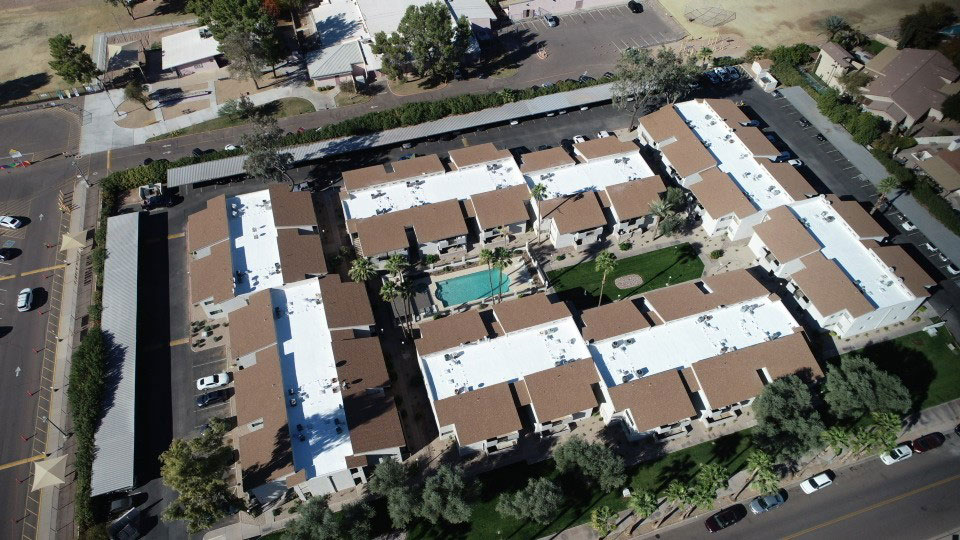
- Greater Phoenix metro: Commercial buildings, shopping centers, and multi-family properties where MSW has installed and maintained foam roofs for years.
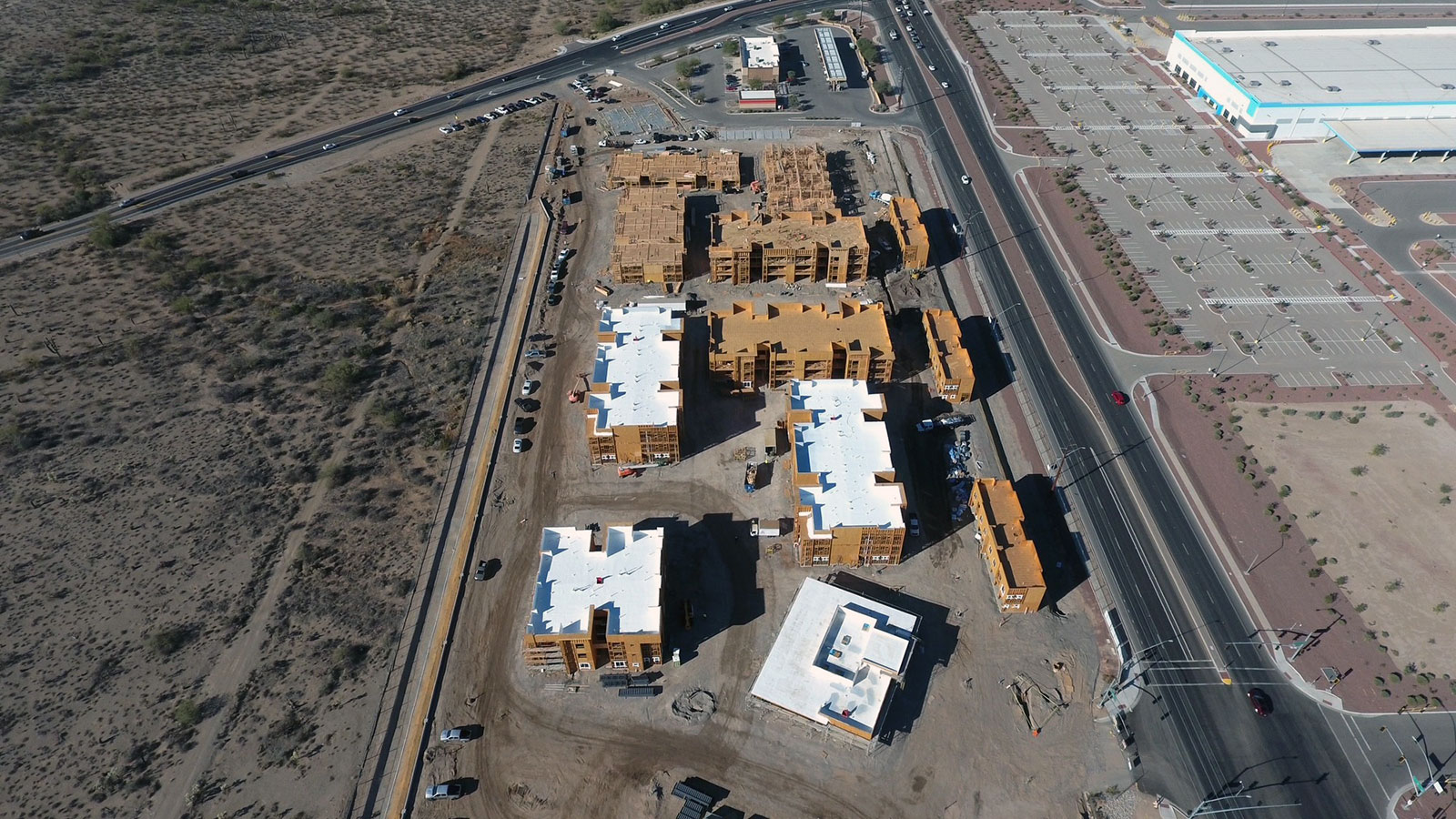
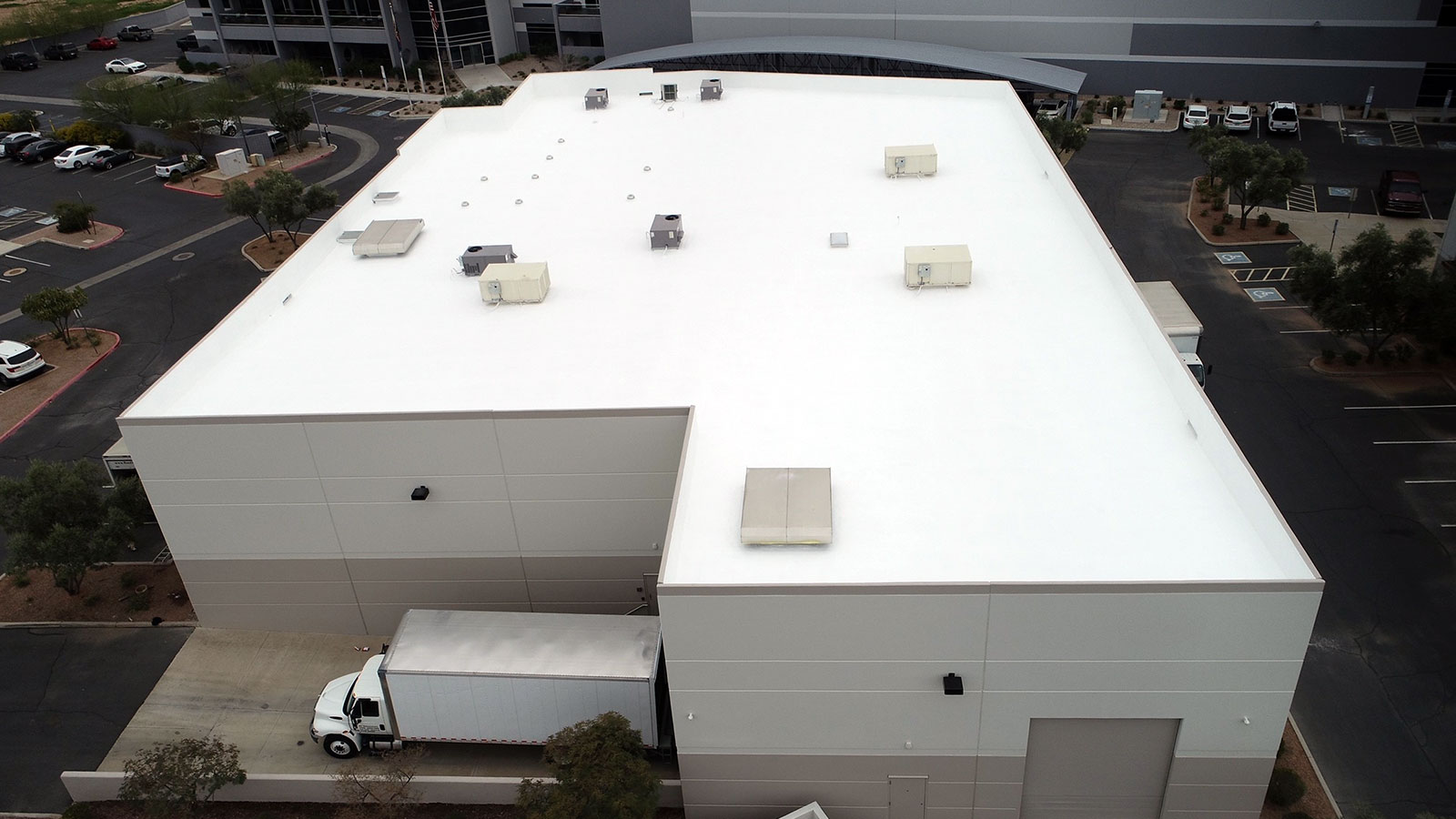
MSW’s foam roofing portfolio includes everything from commercial foam roof installations in Chandler to spray foam roofing projects in Phoenix and foam roof replacements in Fountain Hills. That variety allows the team to draw on real-world experience when advising Chandler and Scottsdale property owners about the best path forward.
What Happens During an MSW Foam Roof Coating Project
Although every roof is unique, MSW’s approach to foam roof recoating follows a consistent, step-by-step process:
- Roof evaluation and moisture check: Inspect the roof surface, transitions, and flashings; identify any soft or suspect areas; and determine whether repairs, recoating, or replacement are appropriate.
- Cleaning and surface prep: Remove dirt, debris, loose coating, and biological growth to help new materials adhere properly.
- Repairs to foam and coating: Address splits, blisters, punctures, and exposed foam by cutting out damaged areas, applying new foam where needed, and smoothing transitions. MSW often uses premium acrylic patching compounds such as Armor Putty on cracks, parapet joints, and seams before topcoating.
- Detail work around edges and penetrations: Reinforce high-stress areas such as parapet tops, scuppers, drains, and equipment curbs.
- Application of new protective coating: Install a high-quality elastomeric coating at the proper thickness, with attention to even coverage and manufacturer guidelines. On many foam roofs, MSW installs acrylic topcoats such as Armor Coat 100 (AC100) over spray polyurethane foam where appropriate, following both product data sheets and industry best practices.
- Final inspection: Walk the roof to verify coverage, check details, and confirm that the system is ready for upcoming weather.
On completed projects, MSW’s goal is simple: a watertight, energy-efficient foam roof that performs reliably through Arizona’s heat and storm cycles when it is maintained on schedule.
How Often Should You Recoat a Foam Roof in Chandler or Scottsdale?
Based on MSW’s long-term service history, most Arizona property owners can expect to recoat their foam roof approximately every 5–10 years. The exact interval depends on:
- The coating product originally used
- Roof orientation and sun exposure
- Roof color and reflectivity
- Foot traffic and rooftop activity
- Storm history and prior repairs
Annual or periodic inspections make it easier to time recoating before problems escalate. Catching early coating wear usually keeps costs lower than waiting until foam is exposed or saturated.
Recent Foam Roofing Projects
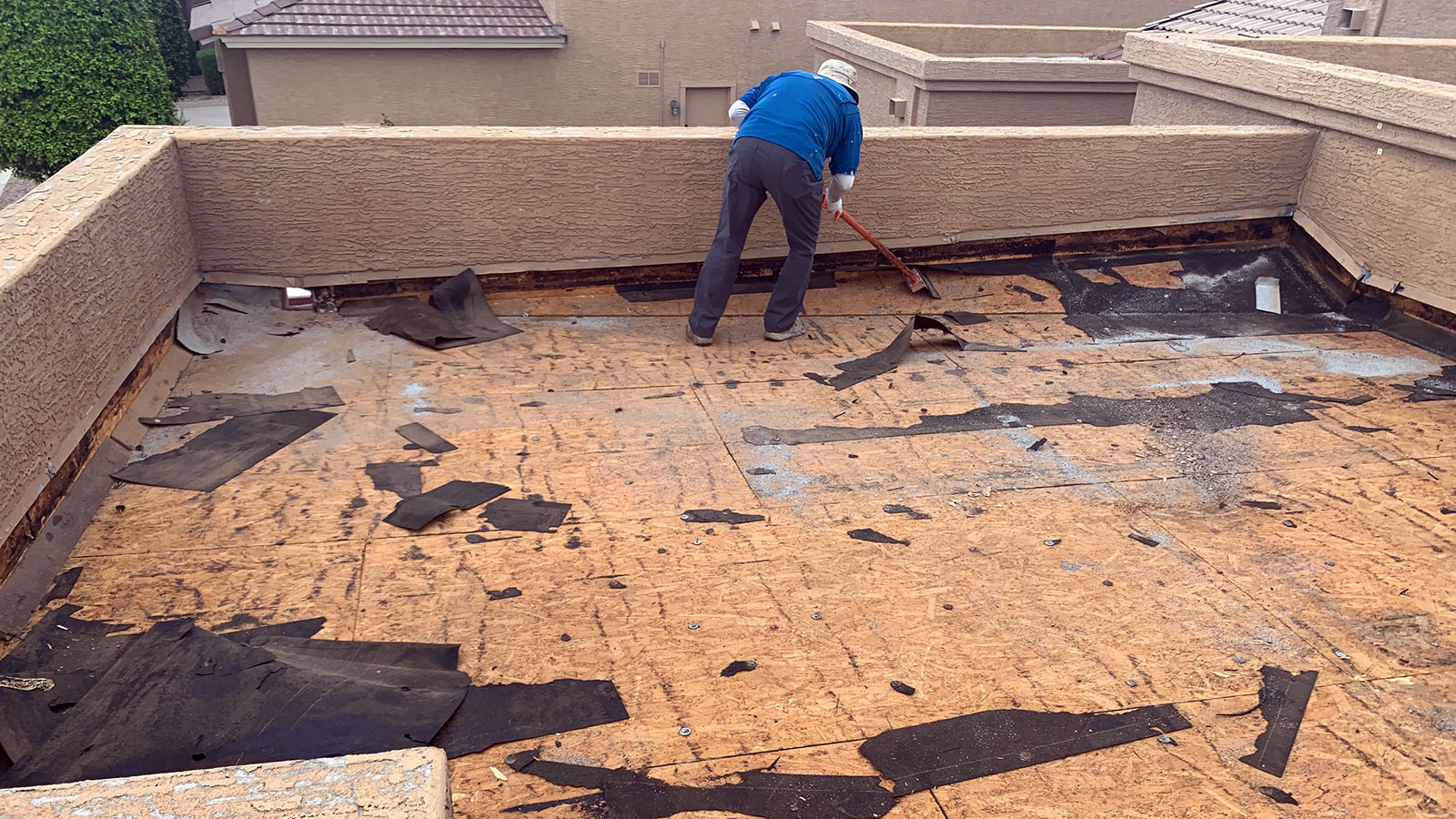
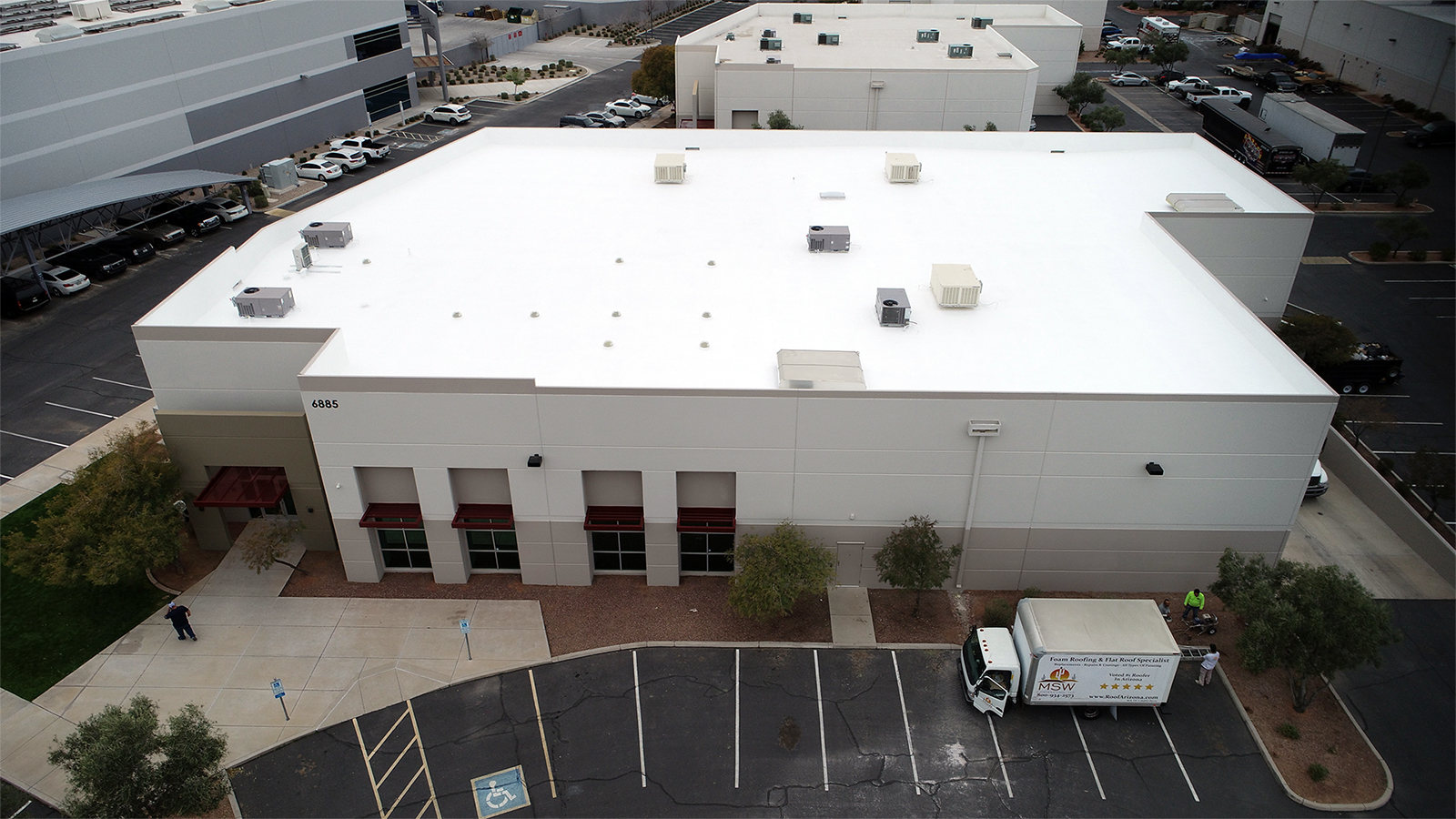
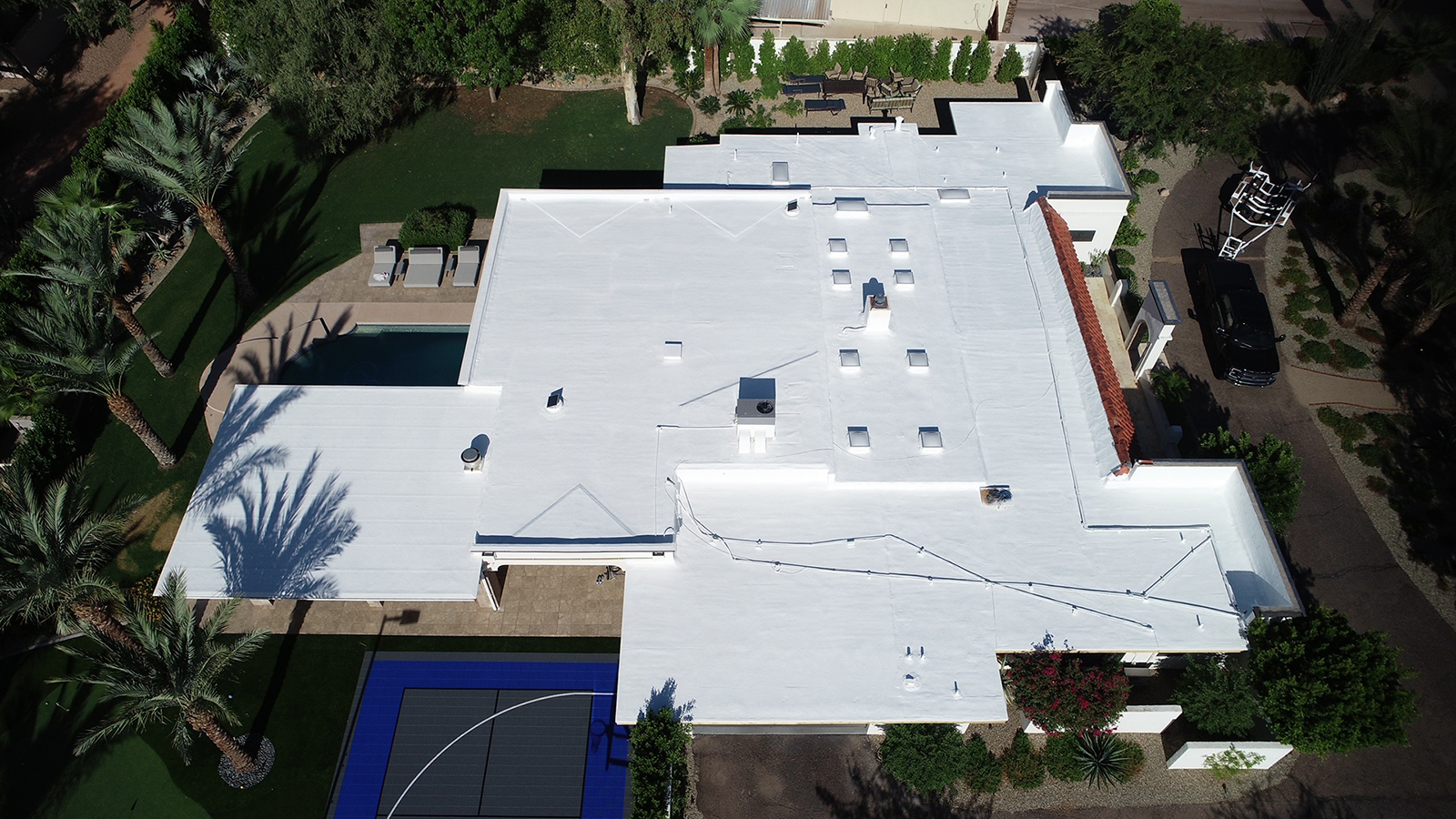
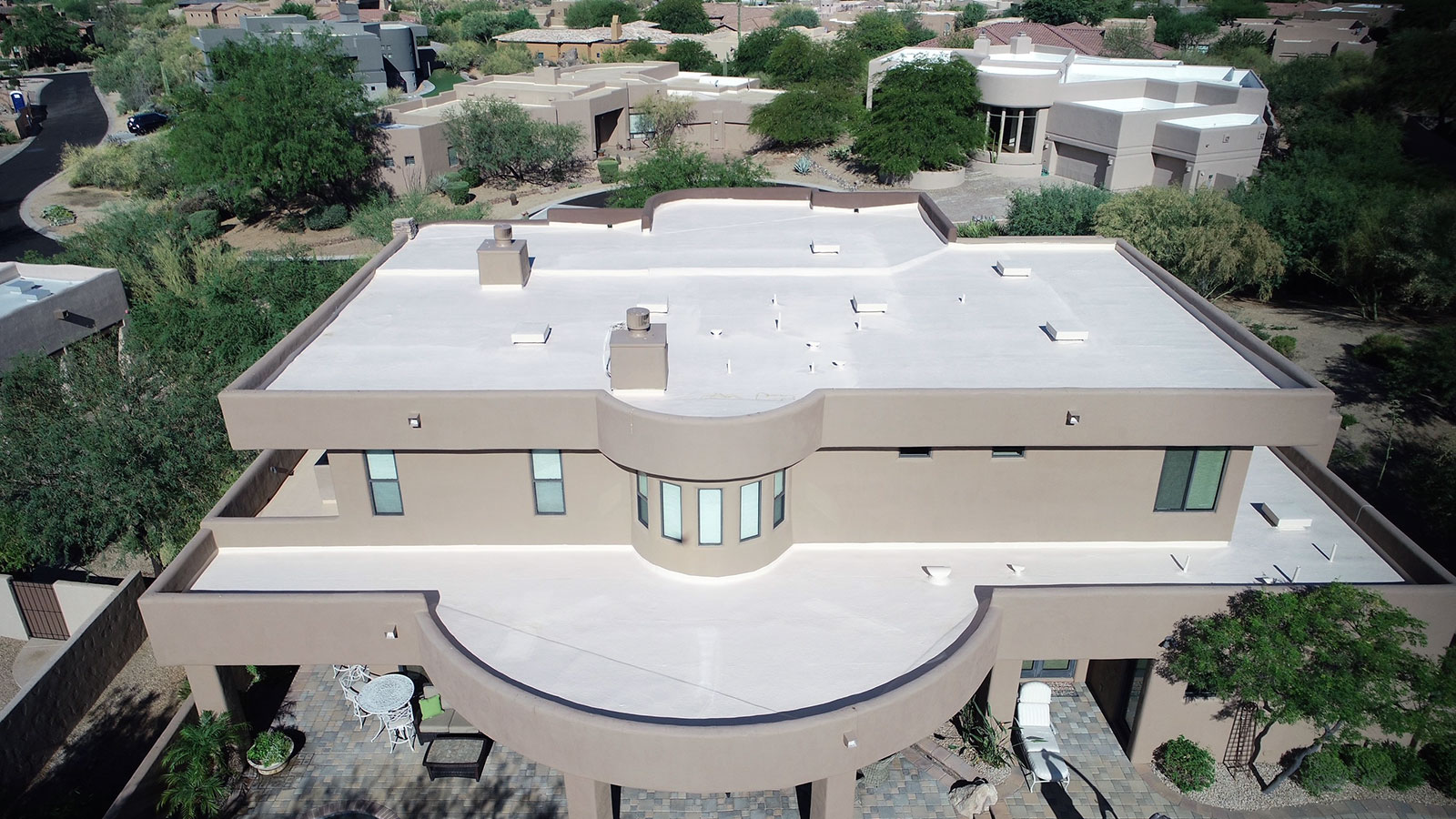
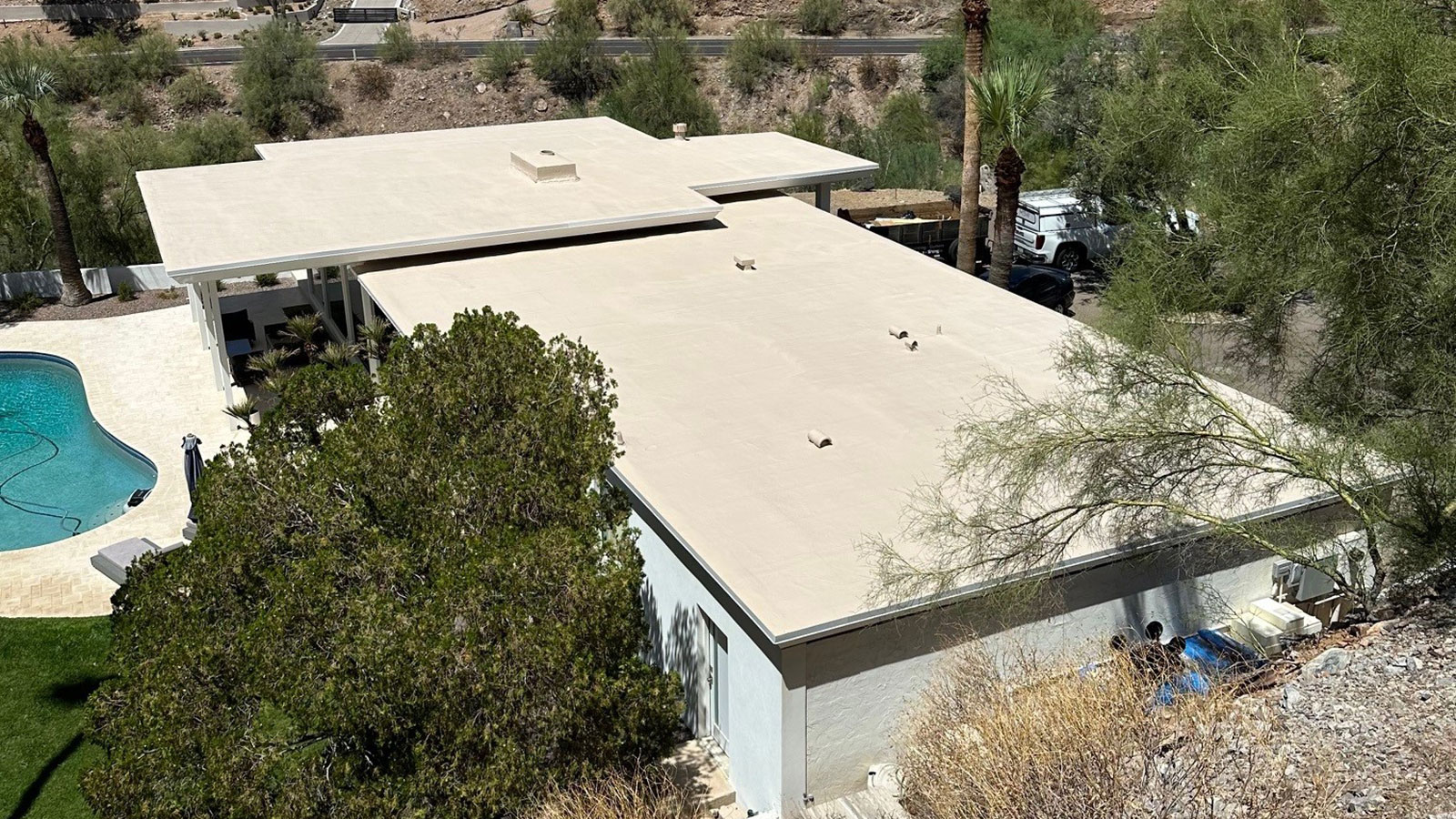
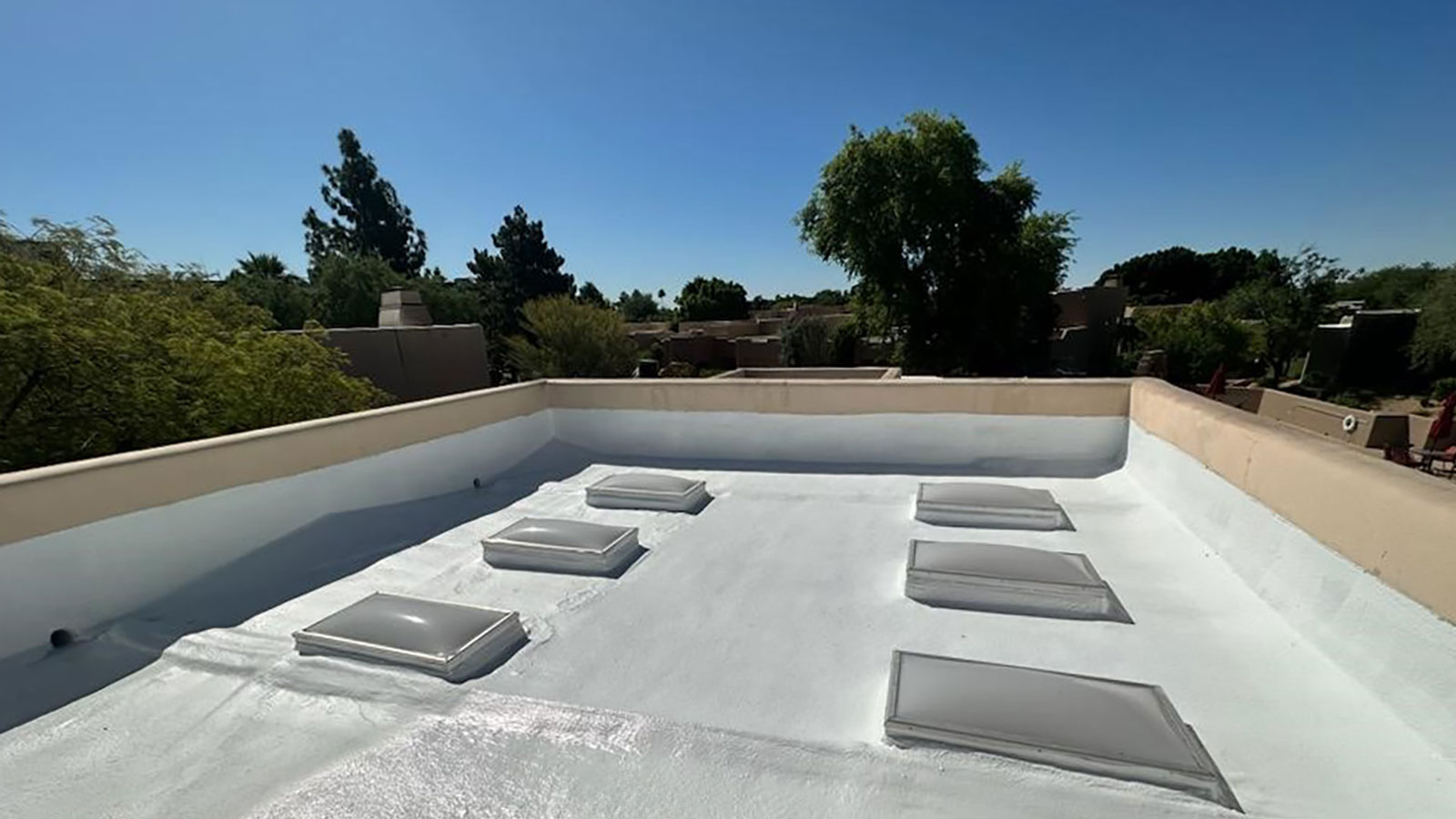
Foam Roofing FAQ for Chandler & Scottsdale Homeowners
Your Next Step: Schedule a Foam Roof Evaluation with MSW
If you own a home or commercial building in Chandler, Scottsdale, or nearby communities and you’re not sure when your foam roof was last coated, the safest move is to schedule a professional inspection. An MSW evaluation can confirm whether your roof is ready for:
- Routine maintenance and minor touch-ups
- A full cleaning, repair, and recoating
- More extensive repairs or possible replacement
MSW Contracting combines decades of foam roofing experience with a proven track record of successful projects across Chandler, Scottsdale, and the Phoenix metro area. From ongoing foam roofing service to detailed project recaps like Scottsdale foam roof coating and Chandler leak repairs with new foam installation, the company’s portfolio reflects real, local results.
Schedule a Foam Roof Evaluation
Ready to find out what your foam roof really needs? Contact MSW Contracting today to request a foam roof evaluation and discuss the best options for your property.
For a fast, friendly, and free estimate:
Call: (800) 934-2573
Email: info@roofarizona.com
Your roof protects your home — let our experts ensure it’s ready for Arizona’s heat, monsoon storms, and year-round weather conditions.