

A single rainstorm can be frustrating. Several days of steady or repeated rain can quietly turn a minor roof issue into something much more disruptive.
In Chandler and Scottsdale Arizona, homeowners often notice that a small drip becomes a spreading ceiling stain, soft drywall, or a musty smell. In many cases, these signs appear after the rain has already passed. That doesn’t mean the problem is new. It usually means water has had time to move, soak in, and show itself.
This guide explains why roof leaks often worsen during extended rainy periods in the East Valley, what kinds of hidden damage can develop, and how homeowners can make practical decisions while wet weather continues.
Why Repeated Rain Causes More Damage Than a Single Storm
Roofs in Chandler, Scottsdale and around the Valley are designed for intense sun and long dry stretches. When rain arrives in back-to-back systems, roofing materials don’t always get the chance to dry out.
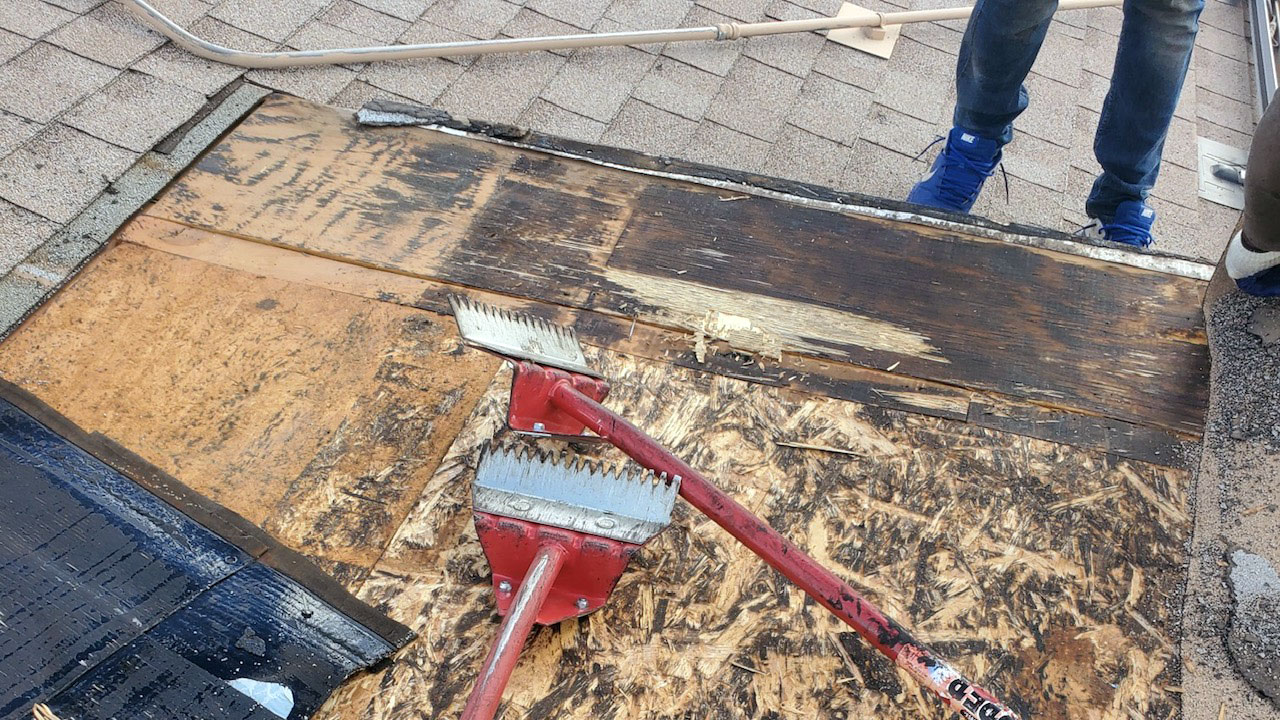
- Moisture builds up: Underlayment, insulation, and roof decking can stay damp when storms are close together.
- Water travels: Moisture often follows framing and roof layers before becoming visible inside the home.
- Small issues grow: Minor vulnerabilities can worsen when exposed to repeated rainfall.
In most cases, the roof didn’t suddenly fail. Instead, damage progressed because repeated weather exposure didn’t give the roofing system time to recover.
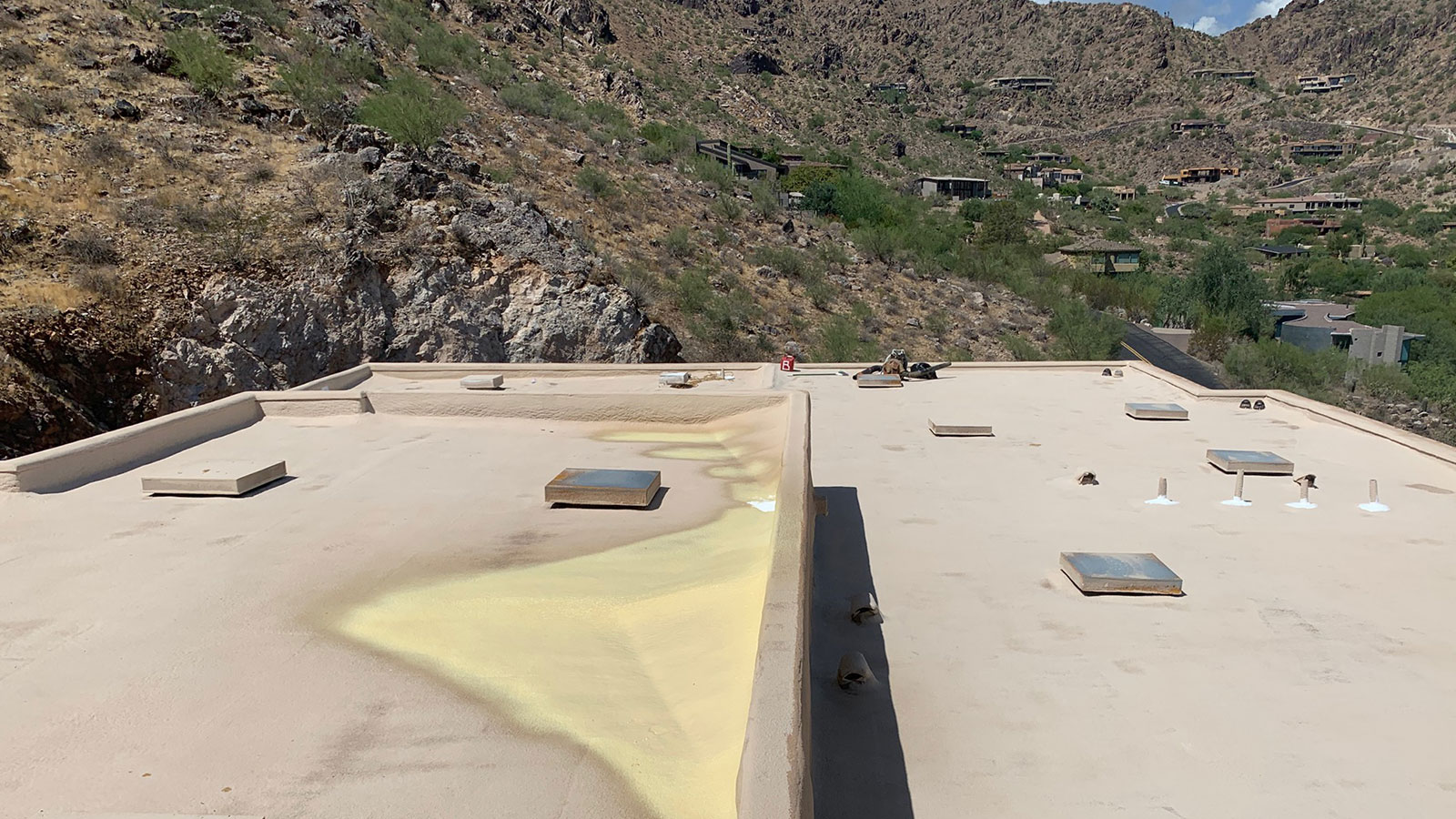
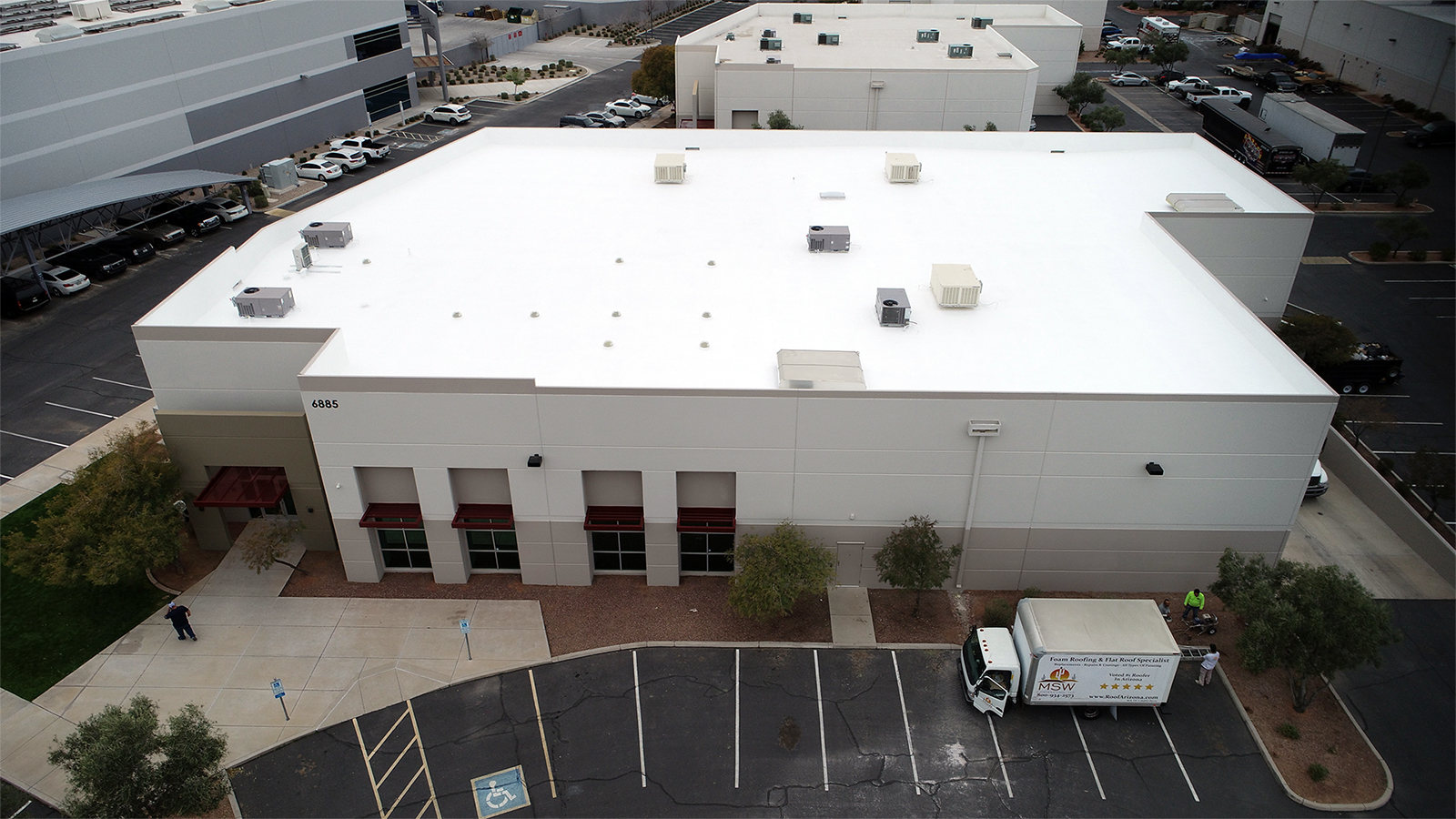
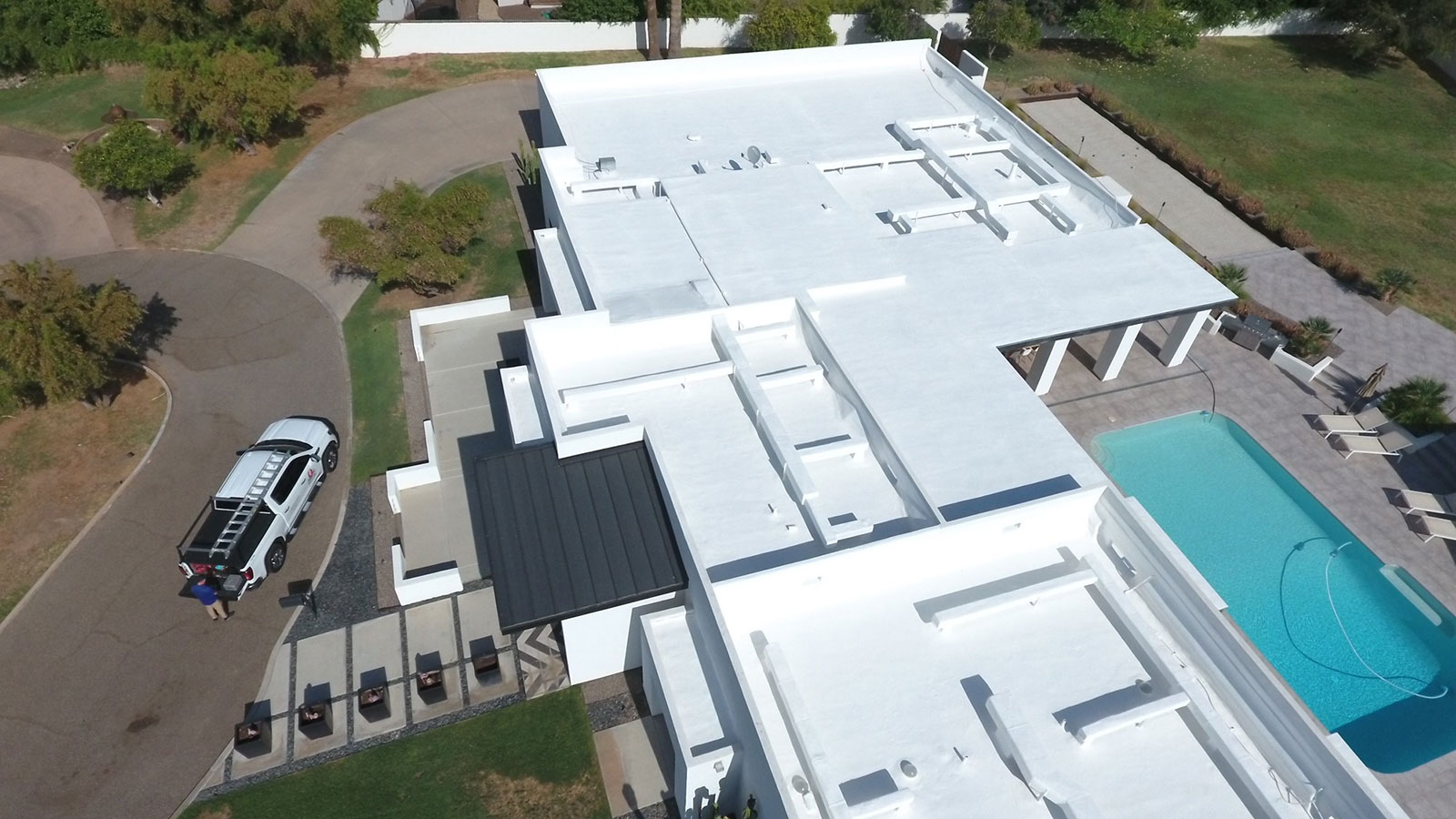
This pattern is further illustrated by a past client project involving a leaky foam roof repair and recoating in Scottsdale, Arizona, where seasonal rain and prolonged sun exposure contributed to deterioration that was not immediately visible.
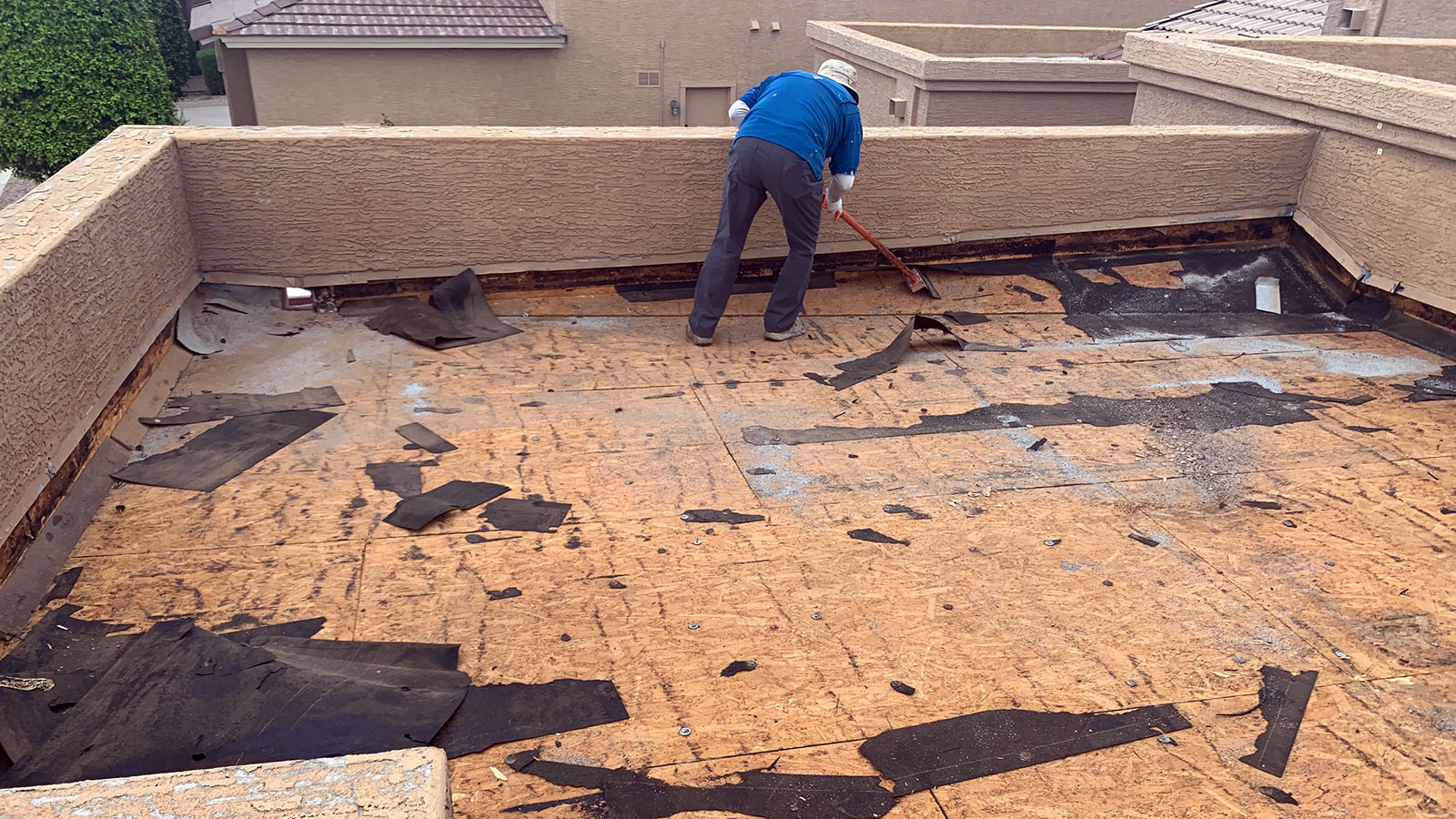
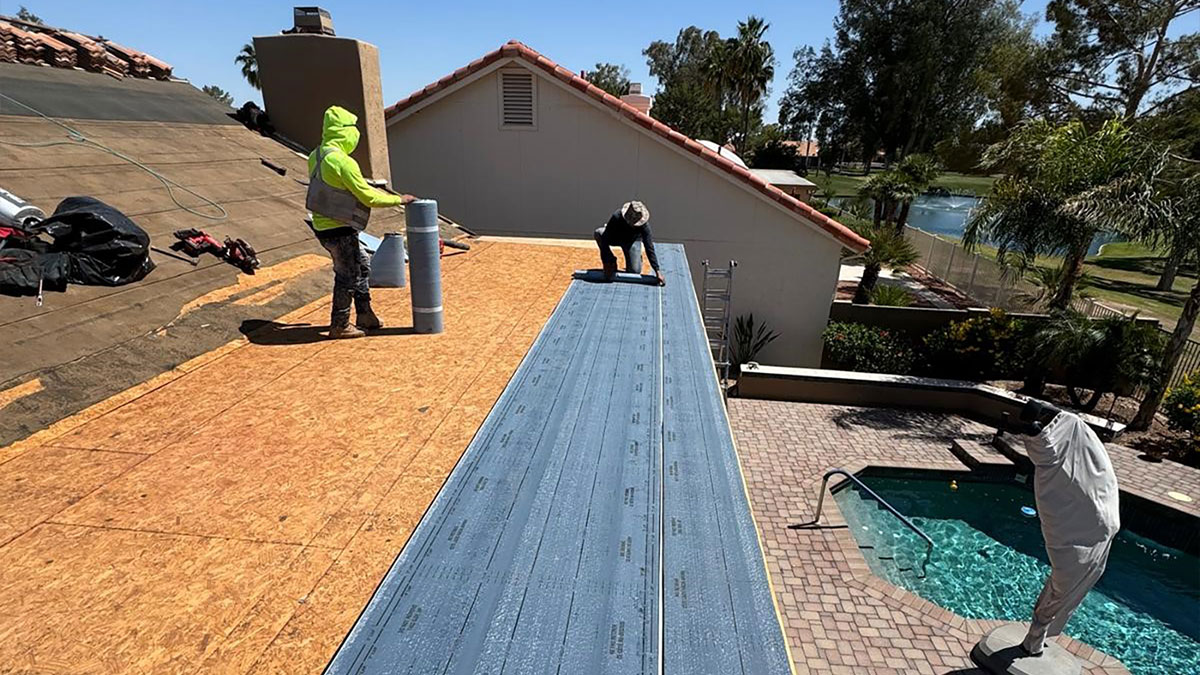
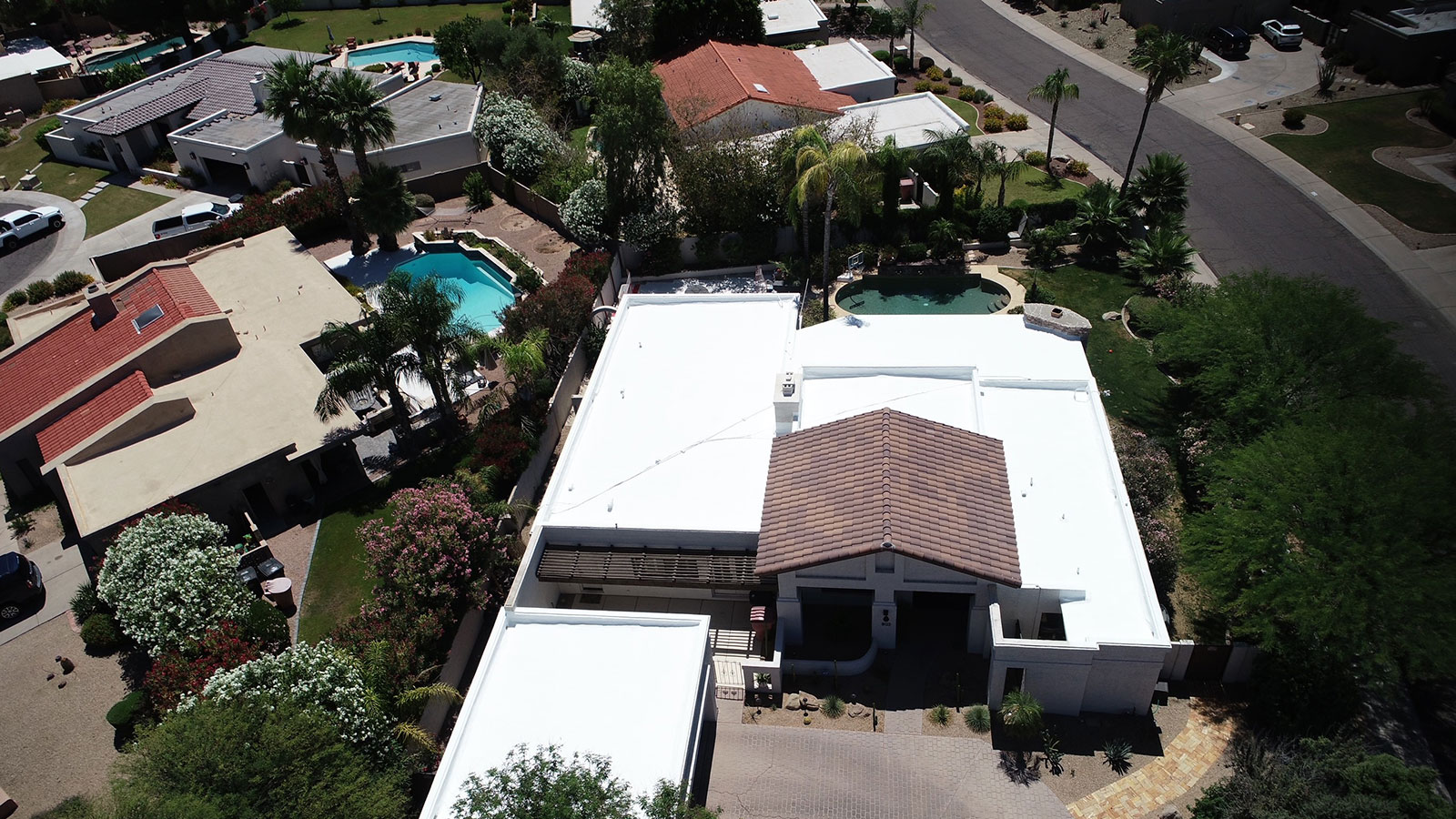
Similar storm-related conditions have also led to roof leaks in other parts of the East Valley, including a storm-related roof leak repair at a home in Chandler, Arizona, where heavy rain exposed vulnerabilities that had gone unnoticed during drier months.
Hidden Problems That May Not Appear Right Away
Some of the most serious effects of a rainy week aren’t immediately obvious.
- Ceiling stains that slowly expand or darken
- Drywall that feels soft or swollen to the touch
- Persistent, damp odors in hallways or closets
- Dripping that starts hours after rain has stopped
- Insulation holding moisture above the ceiling line
These warning signs often show up days after the first storm, which can make the source feel confusing or hard to track.
How Phoenix Area Roofing Systems React to Consecutive Rain
Homes in Phoenix Arizona are share roofing characteristics that become more noticeable during extended rain.
- Tile roofs: Depend heavily on underlayment. When that layer stays wet, water can move beneath multiple tiles.
- Foam and flat roofs: May experience standing water that places extra stress on seams and edges.
- Flashing and roof transitions: Can be stressed repeatedly as moisture and temperatures fluctuate.
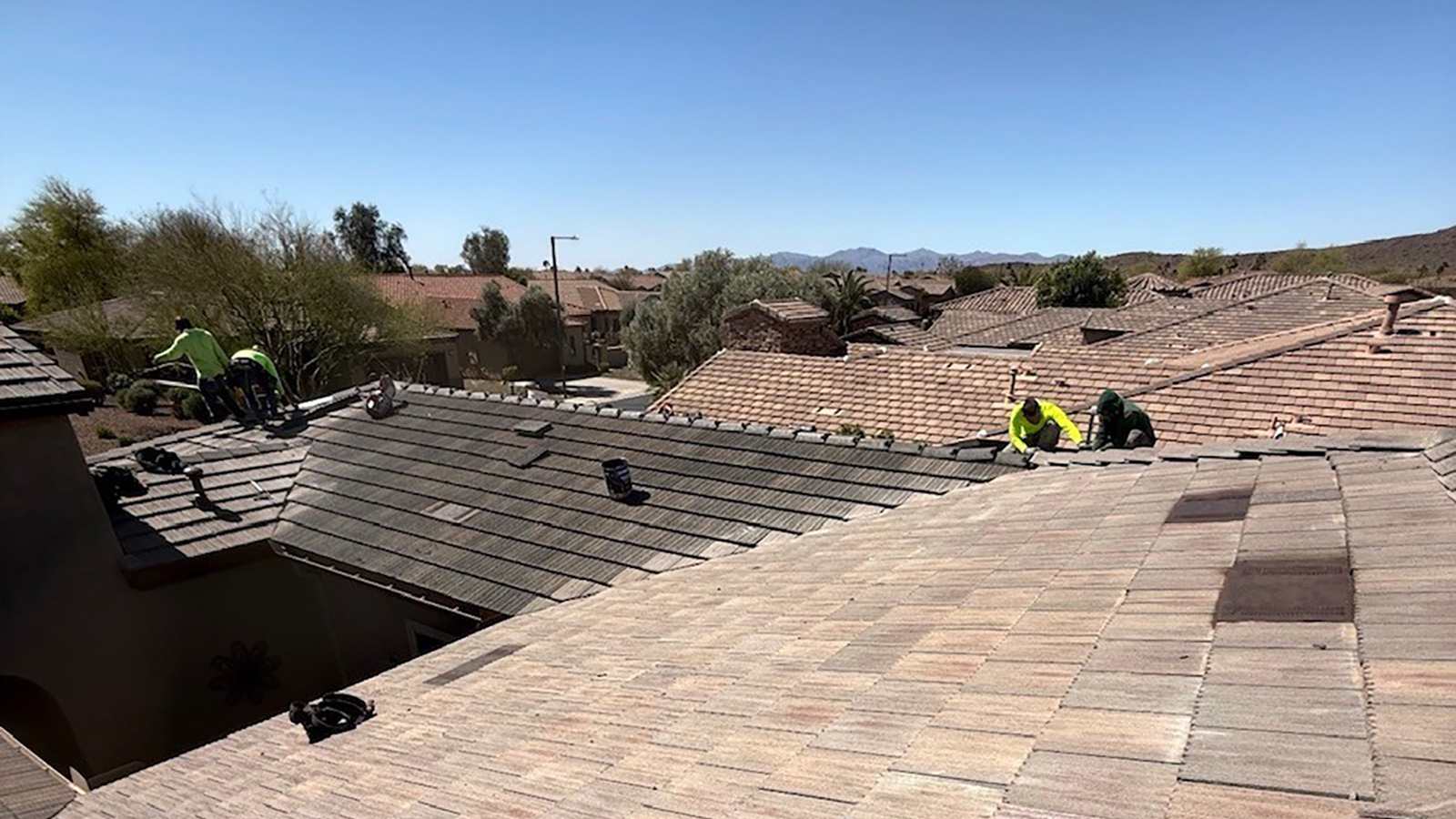
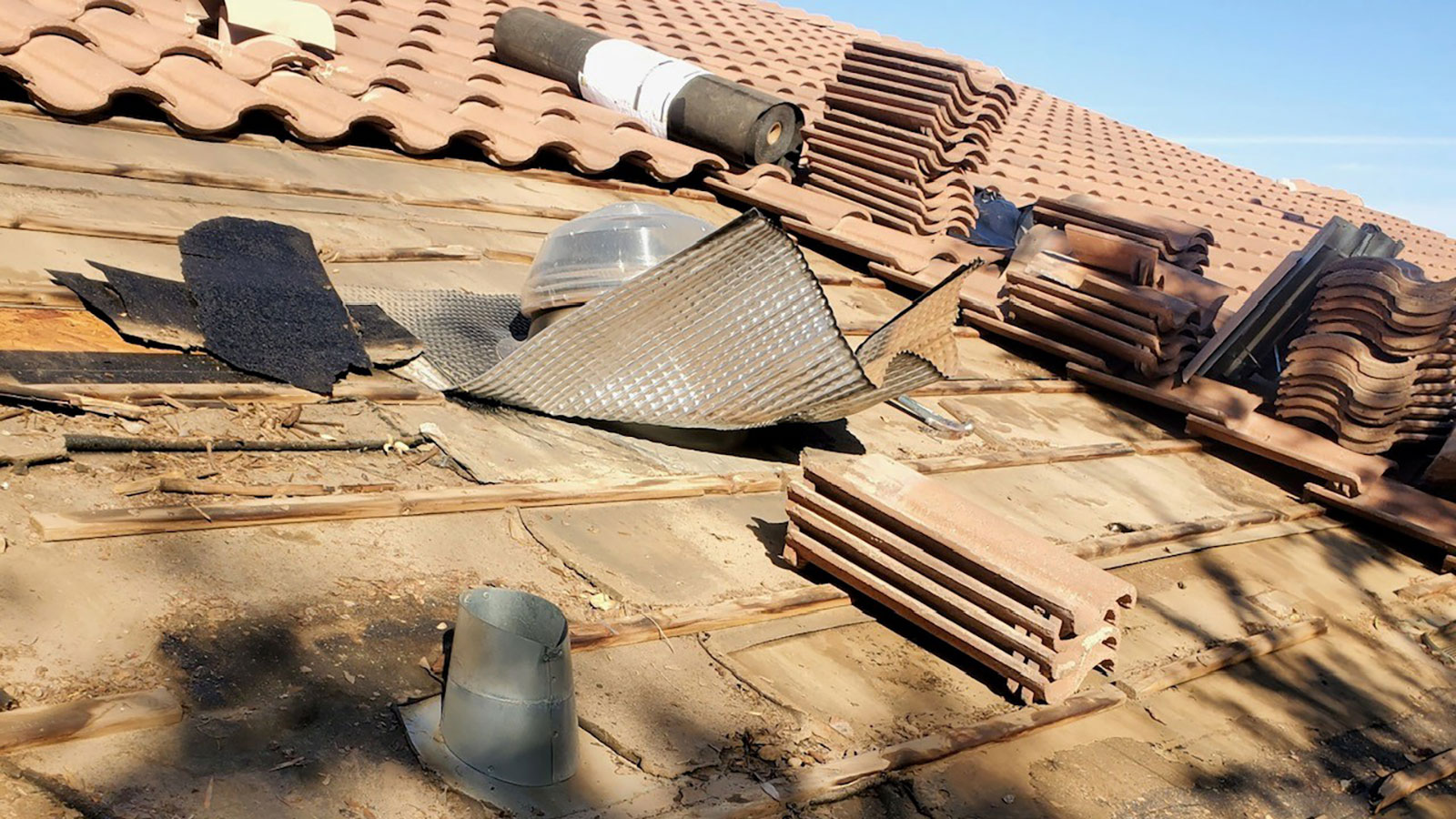
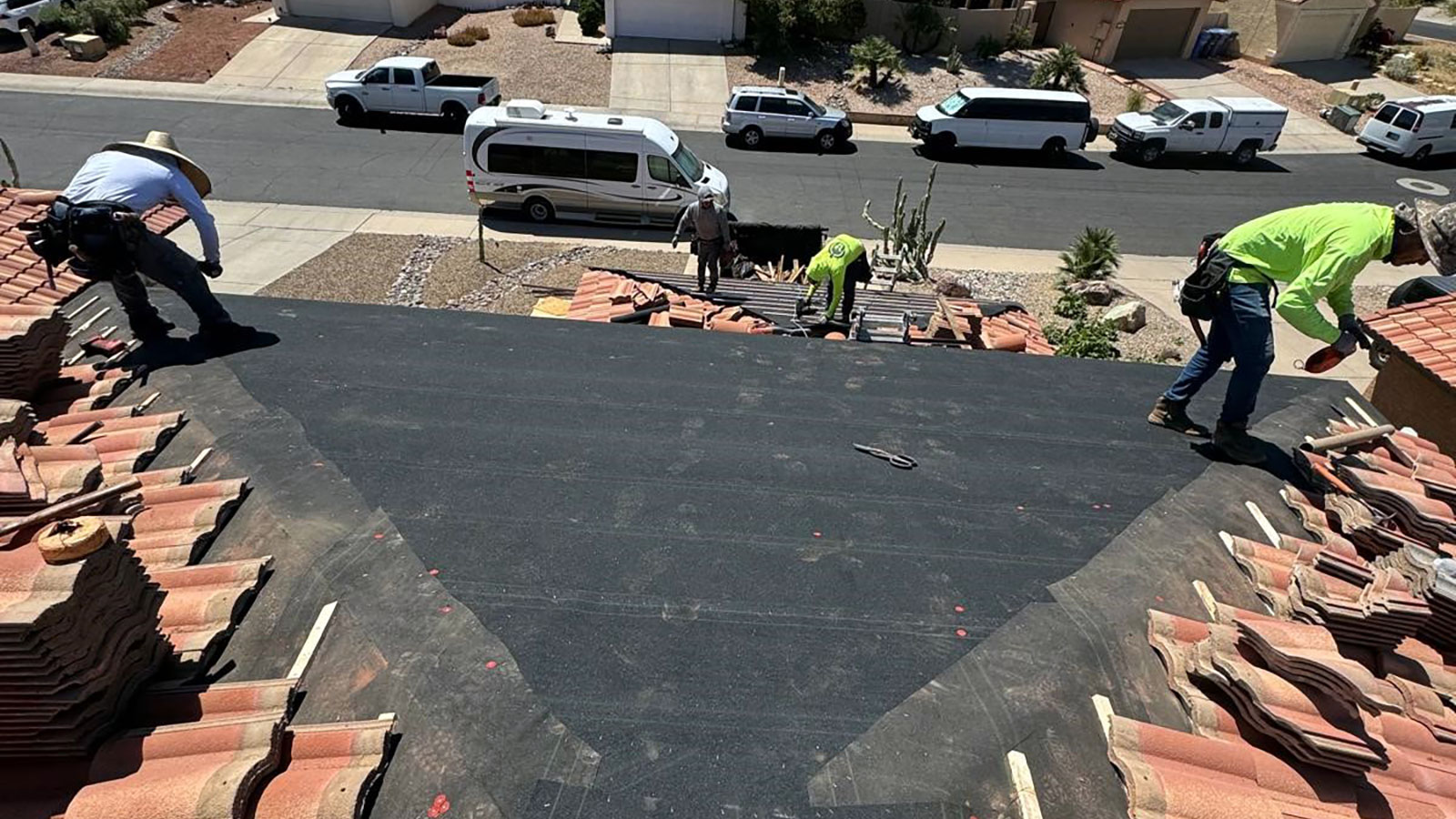
Prolonged rainfall often reveals weaknesses that may not be noticeable during a single storm, particularly in tile roof systems that rely on intact underlayment for protection. For a real example of how extended rain and underlayment saturation can lead to tile roof failure, refer to this tile roof leak repair in Chandler AZ, which illustrates the same rain-driven mechanism at work in a real homeowner repair.
Signs That Roof Damage May Be Spreading
If you notice any of the following during a rainy stretch, the issue may be progressing:
- Stains growing wider or darker
- New spots appearing in different rooms
- Paint bubbling or peeling
- Ceiling drywall beginning to sag
- Moisture showing up near vents, skylights, or wall intersections
Is It Better to Wait Until the Weather Clears?
Waiting can allow moisture to linger in building materials longer, which may increase the chance of secondary damage. At the same time, climbing onto a wet roof or attempting temporary repairs during active rain can be unsafe.
The decision isn’t about rushing—it’s about balancing safety with preventing avoidable damage.
What Homeowners Can Do While the Rain Continues
- Move valuables away from affected areas
- Use containers or towels to manage dripping
- Take photos as stains or damage change over time
- Avoid accessing the roof in wet conditions
- Keep notes on when new symptoms appear
These steps won’t stop the leak, but they can help limit interior damage and provide useful context when professional inspection is possible.
When It Makes Sense to Call a Local Roofing Professional
During a rainy week, an early assessment can help determine whether damage is isolated or continuing to spread. MSW services homes throughout Chandler, Scottsdale, and the greater Phoenix area, allowing homeowners to address concerns before damage becomes more extensive.
For guidance on first-time leaks after a storm, see our related resource:
Roof Leak Repair After Rain in Chandler and Scottsdale.
Recent Roof Leak Repair Projects:
Frequently Asked Questions: Ongoing Rain and Escalating Roof Issues
Schedule a Roof Inspection During Extended Rain
If your roof has been exposed to several days of rain, you’re noticing new interior signs, or a previous leak appears to be getting worse, a professional inspection can help determine whether moisture is spreading beneath the surface. Extended wet conditions can allow damage to progress even after rainfall slows or stops.
For a deeper look at how roof leaks are diagnosed and repaired across different roof types and conditions, see our comprehensive overview of roof leak repair services across the Metro Phoenix area.
Call MSW Contracting at (800) 934-2573, email info@roofarizona.com, or request a free estimate through our contact page to schedule a roof inspection related to ongoing or recent storm activity.
Our goal is simple: help homeowners in Chandler and Scottsdale understand what’s happening with their roof, with service available across the Valley, so potential issues can be addressed before minor damage becomes a larger repair.