

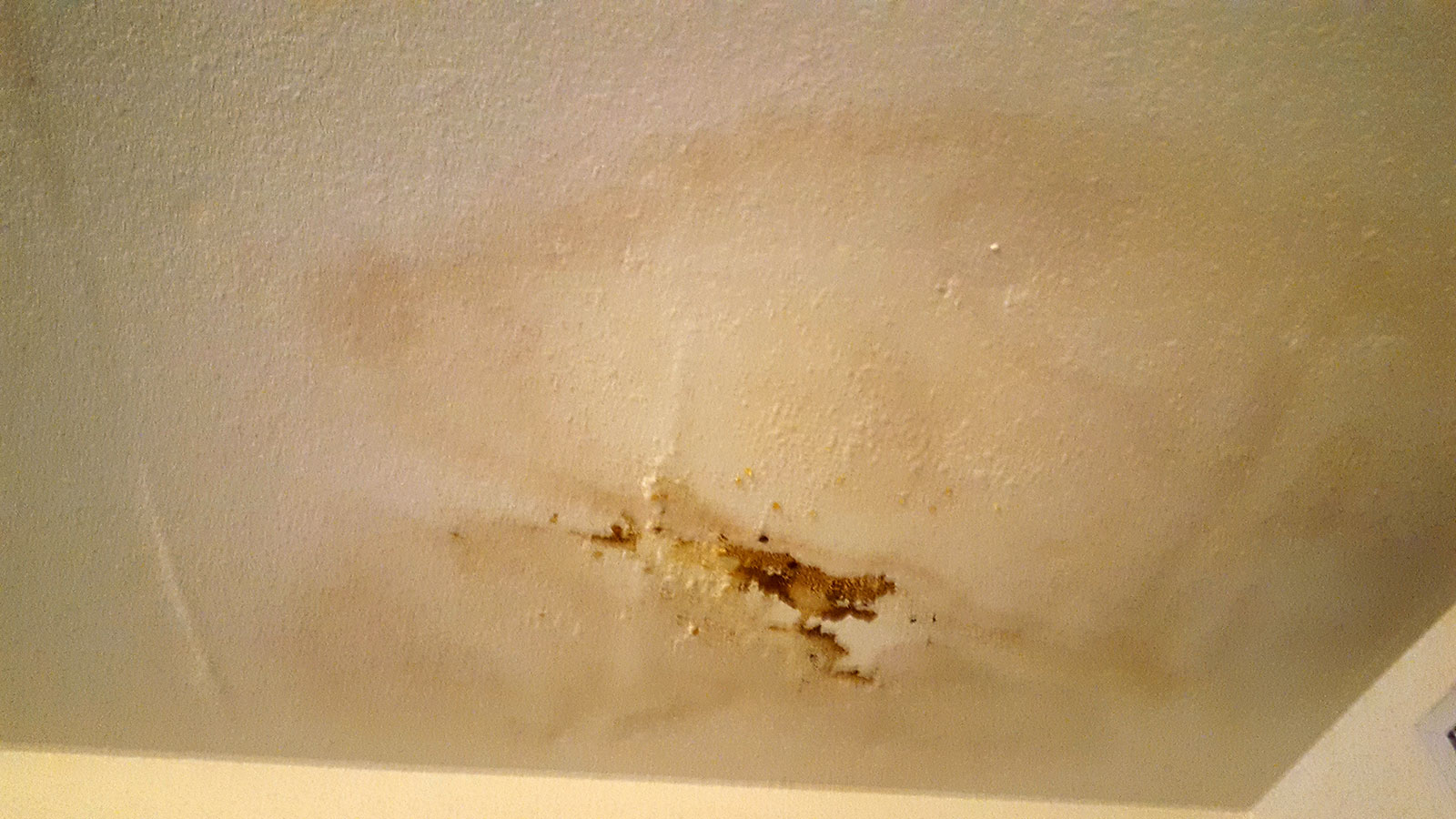
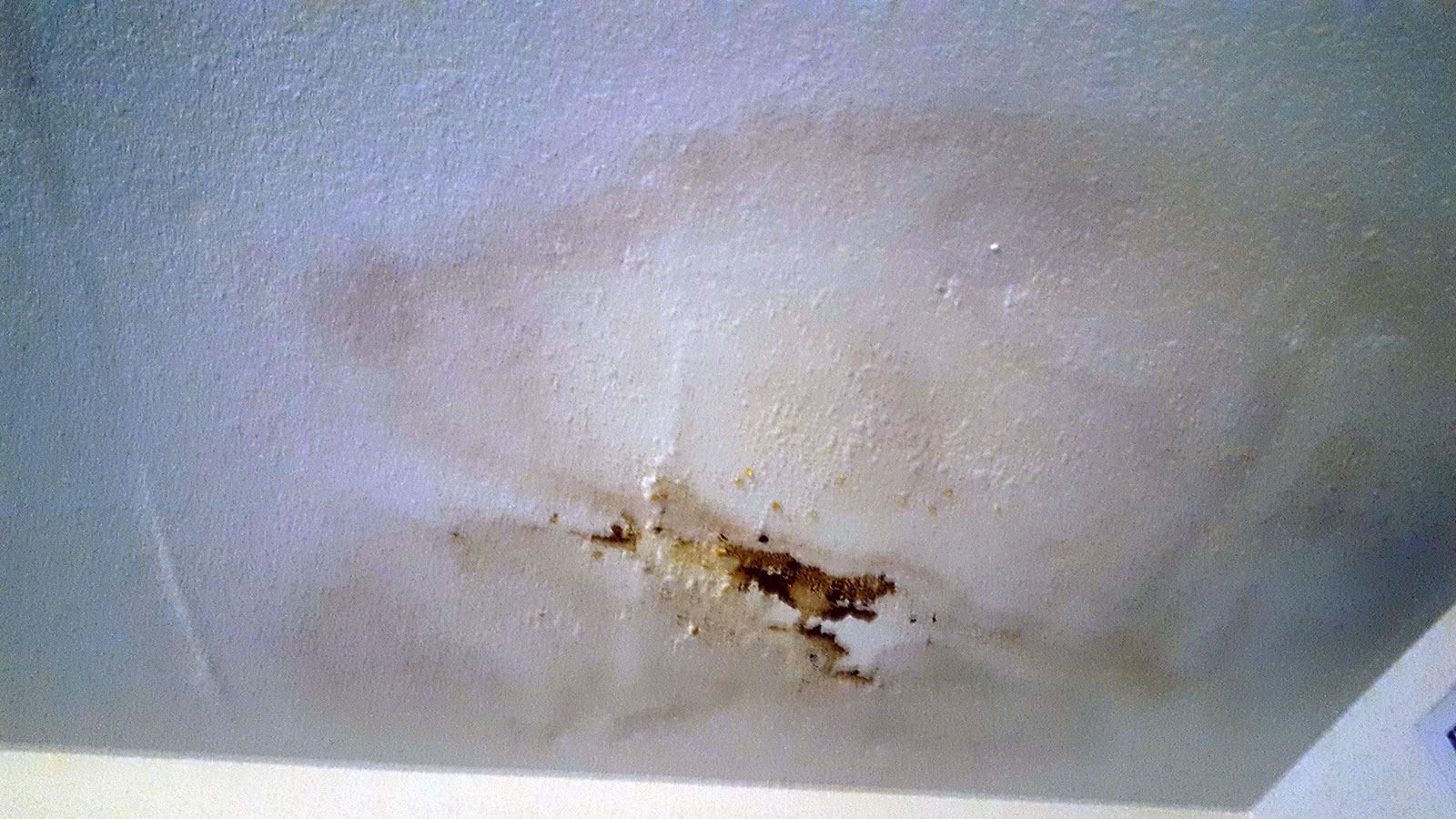
The rain has stopped in Phoenix, but water is still dripping from your ceiling. Homeowners in Chandler, Scottsdale, and throughout the Valley can experience the same frustrating problem: the storm passes, yet a ceiling stain continues spreading or water keeps dripping into the room.
When this happens, it’s natural to wonder whether your roof is still leaking or whether water trapped inside the home is slowly draining. Understanding the difference is an important first step in determining whether roof repair is needed and preventing further damage before the next storm.
Why Does a Ceiling Keep Dripping After the Rain Stops?
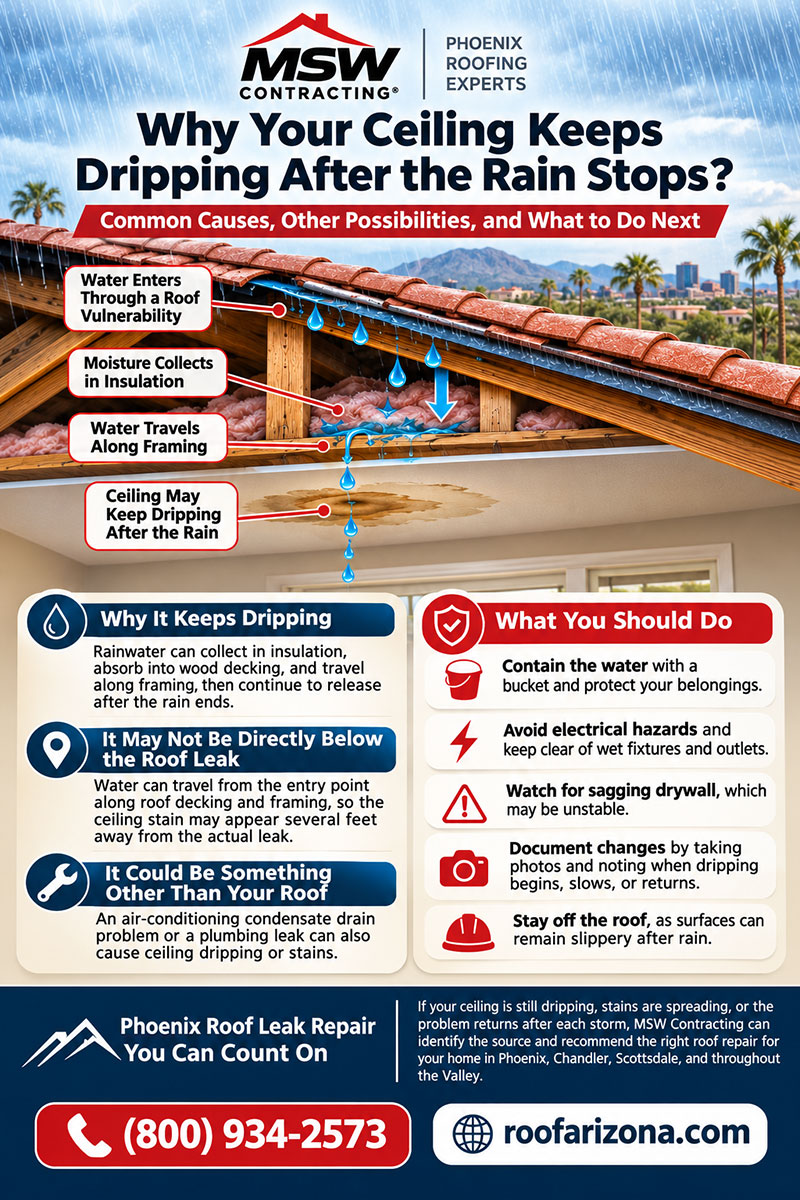
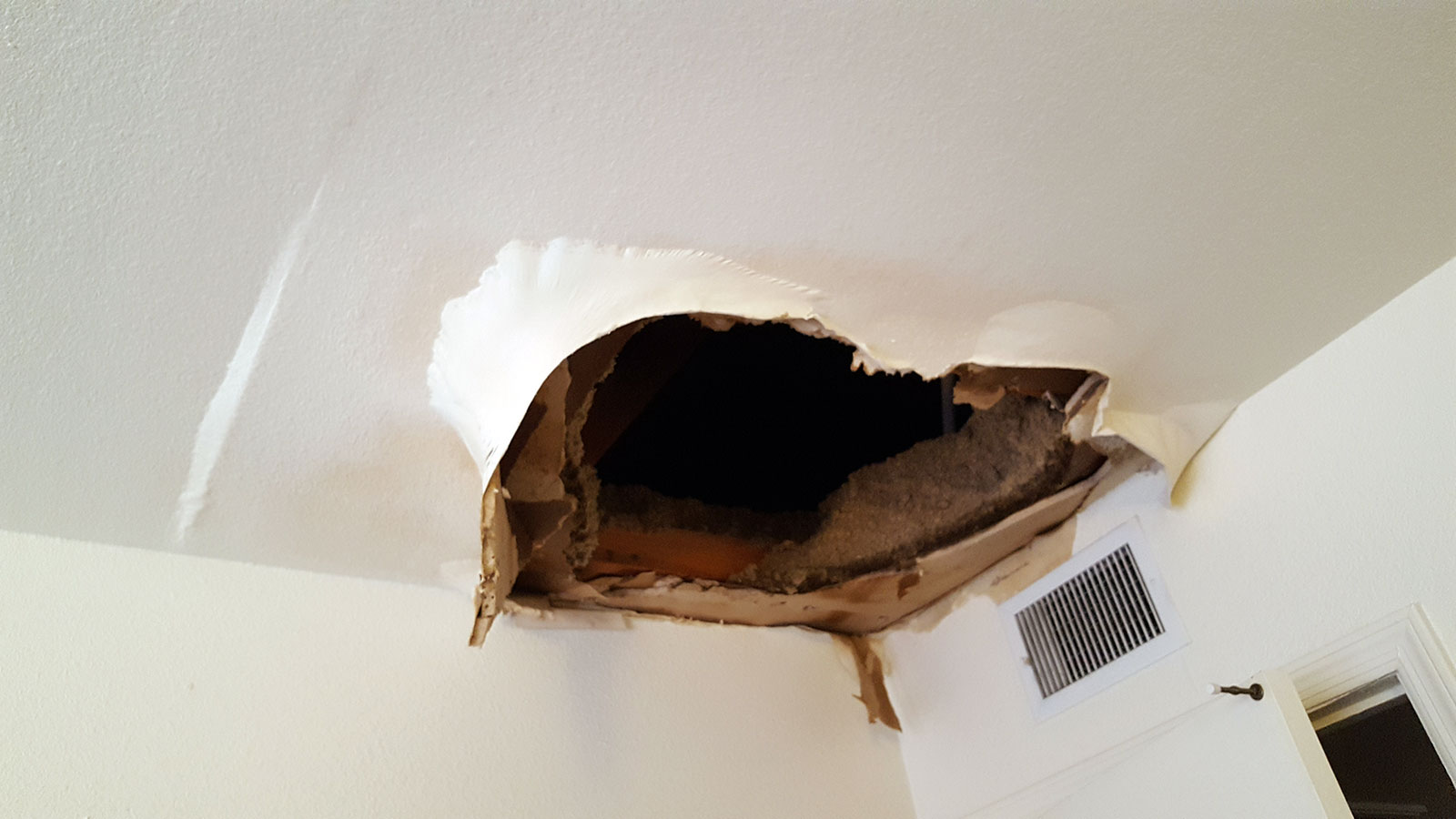
When rainwater enters a roofing system, it doesn’t always drip directly into the living space. Moisture can collect in insulation, absorb into wood decking, or travel along framing before reaching the ceiling.
Even after the rain ends, accumulated water may continue moving downward. Saturated insulation can slowly release moisture, while water trapped above drywall may escape through ceiling joints, small openings, or other low points.
This doesn’t necessarily mean new rainwater is still entering the roof. The ceiling may be releasing water that accumulated hours earlier, even though the underlying roofing problem remains unresolved.
However, on flat or low-slope roofs, standing water can continue entering through a vulnerable area after rainfall stops.
The distinction matters because a continuing ceiling drip doesn’t reveal whether the source is still active or how much roofing work may be necessary.
Why the Ceiling Drip May Not Be Directly Below the Roof Leak
One of the most misleading aspects of roof leaks is where the water becomes visible.
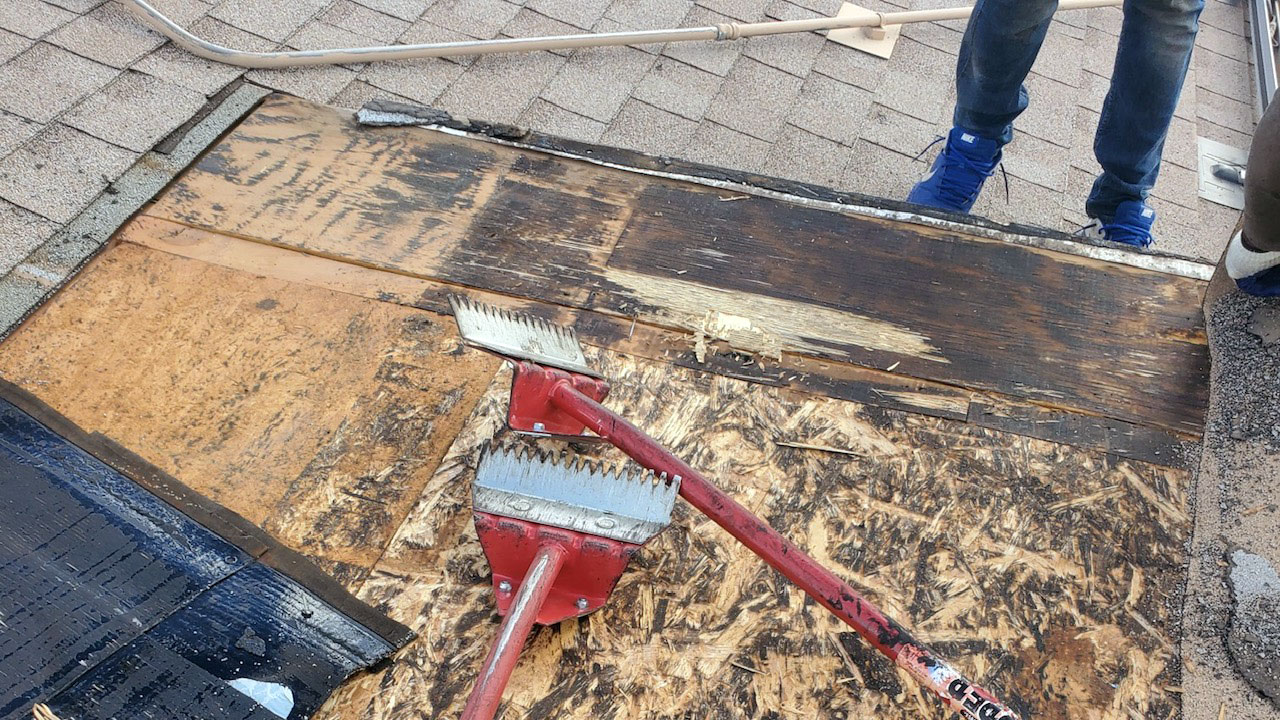
Water entering near damaged flashing, a roof penetration, or deteriorated underlayment can follow roof decking and structural framing before reaching insulation or ceiling drywall. The visible stain may develop several feet away from the original opening.
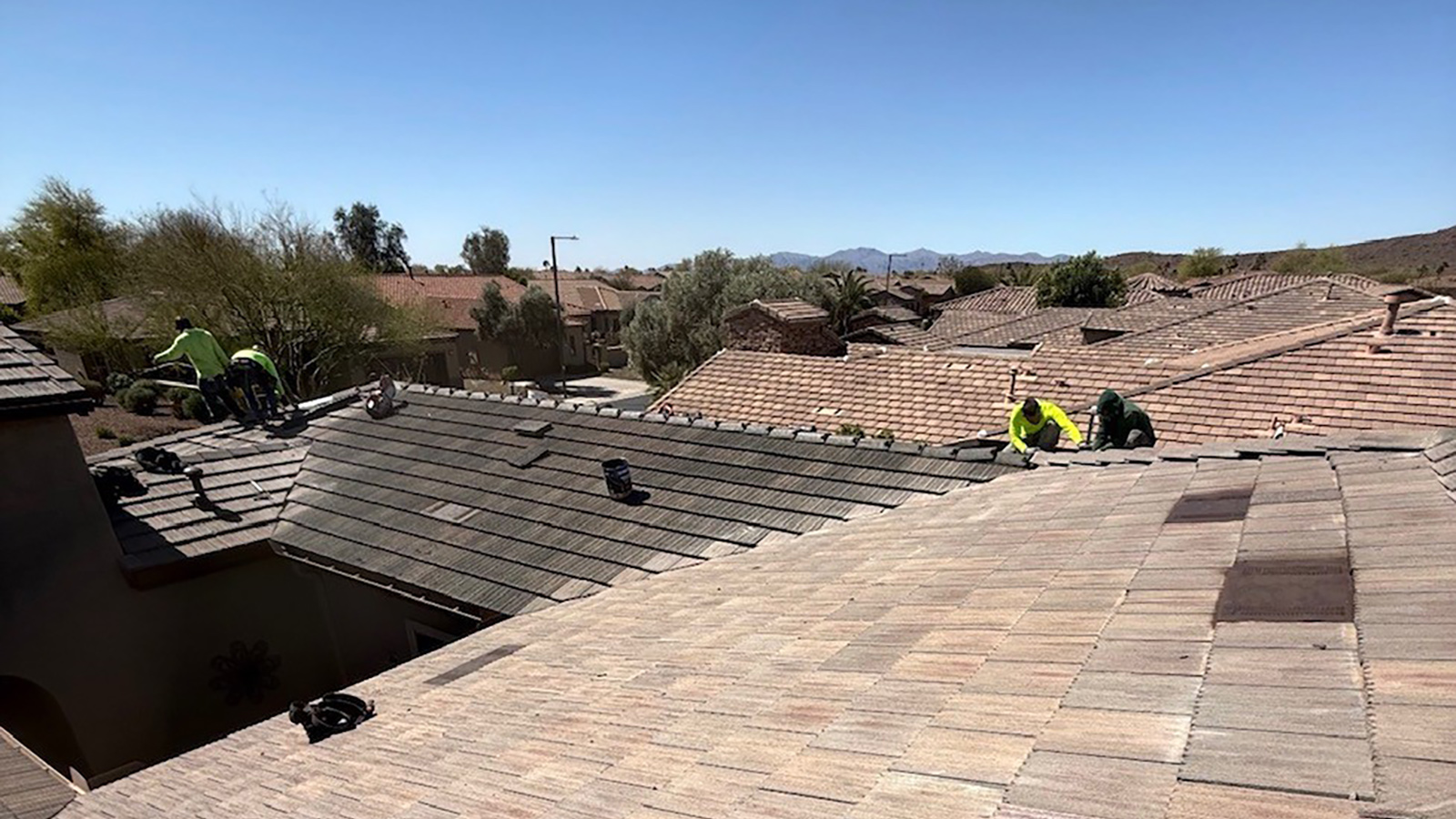
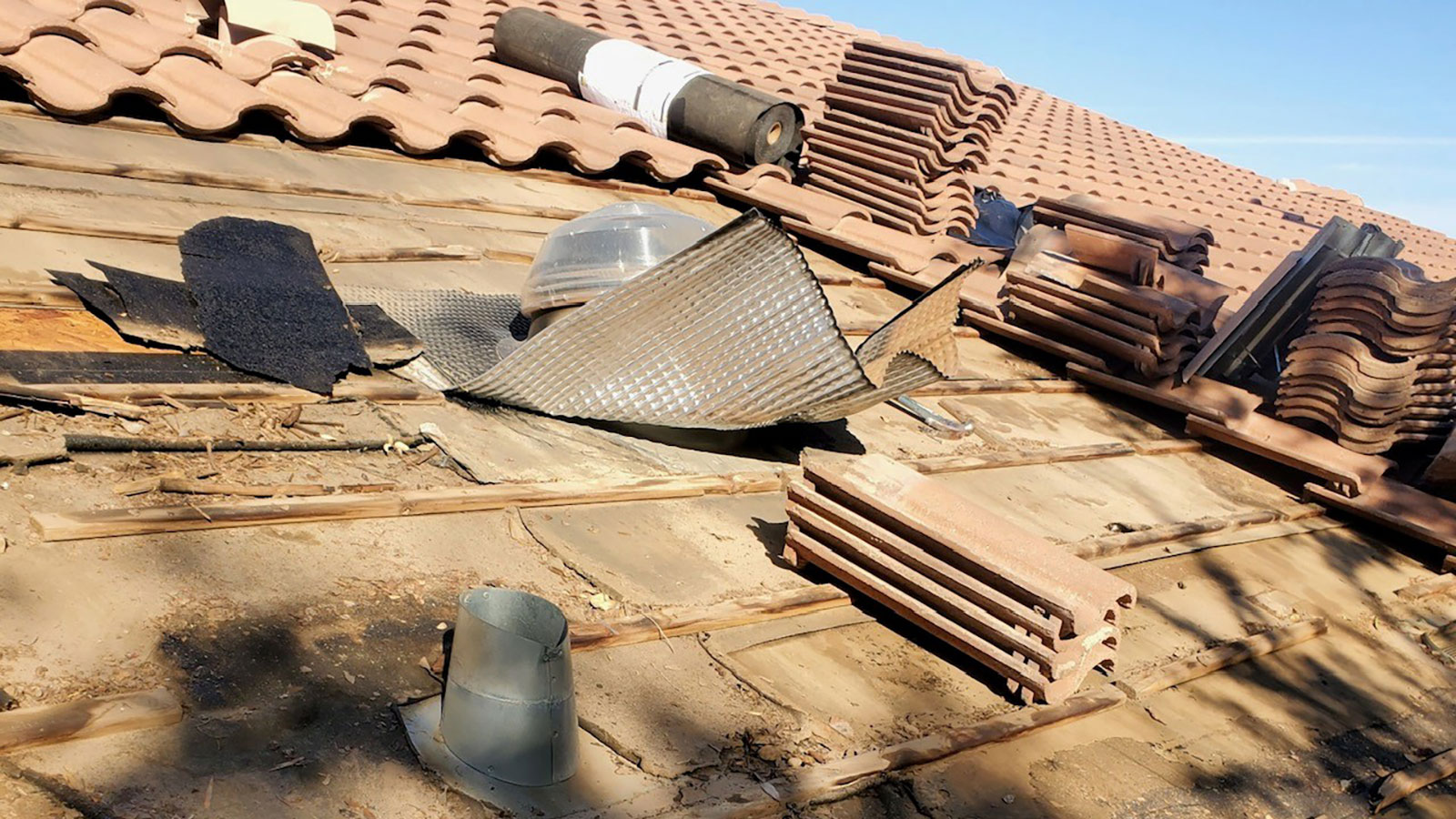
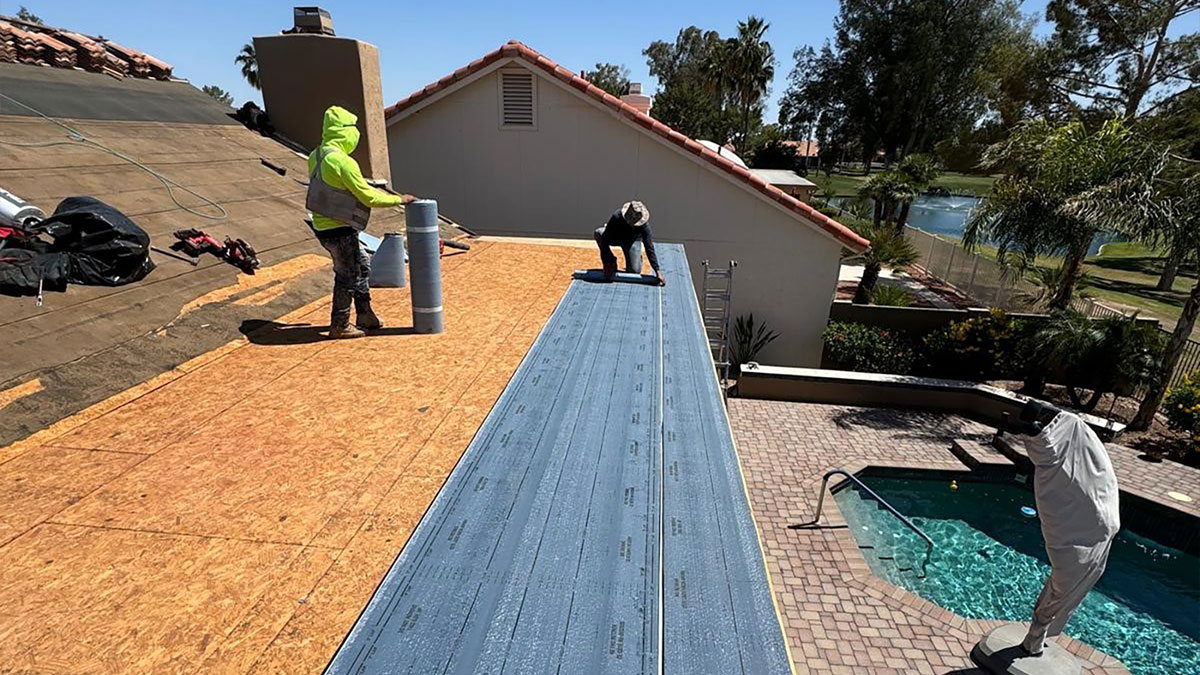
This is particularly relevant to Phoenix homes with tile roofing. While tiles shed much of the rain, the underlayment beneath them provides essential water protection. When that layer deteriorates, water can travel beneath tiles that appear perfectly intact.
MSW Contracting documented a Phoenix tile roof underlayment replacement involving a 23-year-old roof that developed leaks following rainstorms. The crew removed and stacked the existing tiles, replaced deteriorated wood, installed new underlayment and battens, and reinstalled the original tiles.
The project demonstrates why examining the underlying roofing materials is often necessary to identify and correct the actual problem.
Could the Dripping Be Coming From Something Other Than Your Roof?
Not every wet ceiling is caused by a roofing failure.
An air-conditioning condensate drain problem can allow water to accumulate around an attic unit. Plumbing leaks may also cause dripping or ceiling stains, particularly when bathrooms or water lines are located above the affected room.
Timing can provide useful clues:
- Dripping begins during rain: A roof-related source deserves investigation.
- Dripping slows after the storm: Previously accumulated moisture may be draining.
- Dripping continues through dry weather: Plumbing, air-conditioning drainage, or another ongoing moisture source should also be considered.
- Dripping returns with each storm: An unresolved roof vulnerability may be allowing repeated water intrusion.
These observations help narrow the possibilities, but they cannot confirm the source without an appropriate inspection.
What Should You Do While Your Ceiling Is Still Dripping?
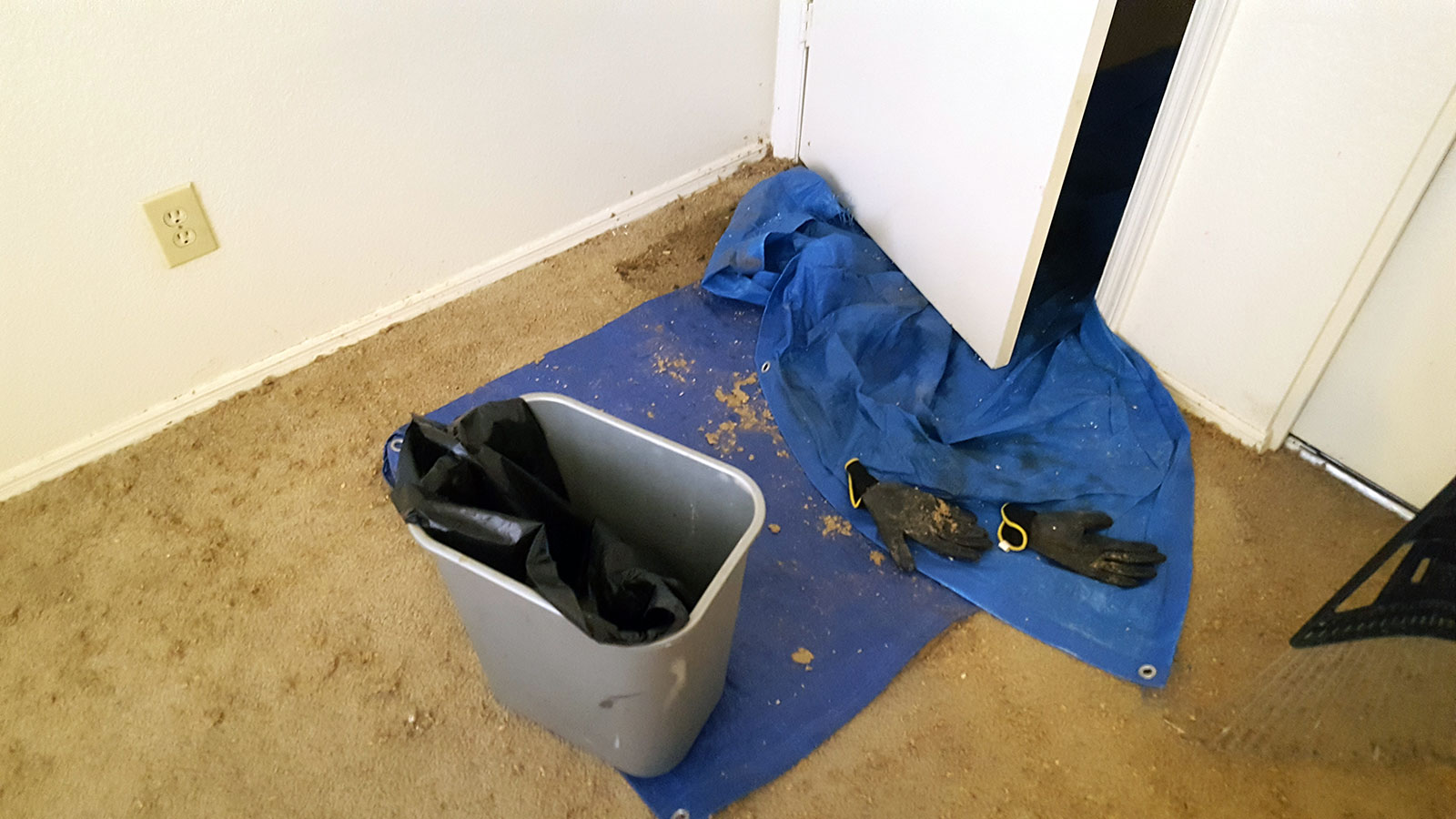
If water continues entering your home after a Phoenix rainstorm, protecting the affected area comes first.
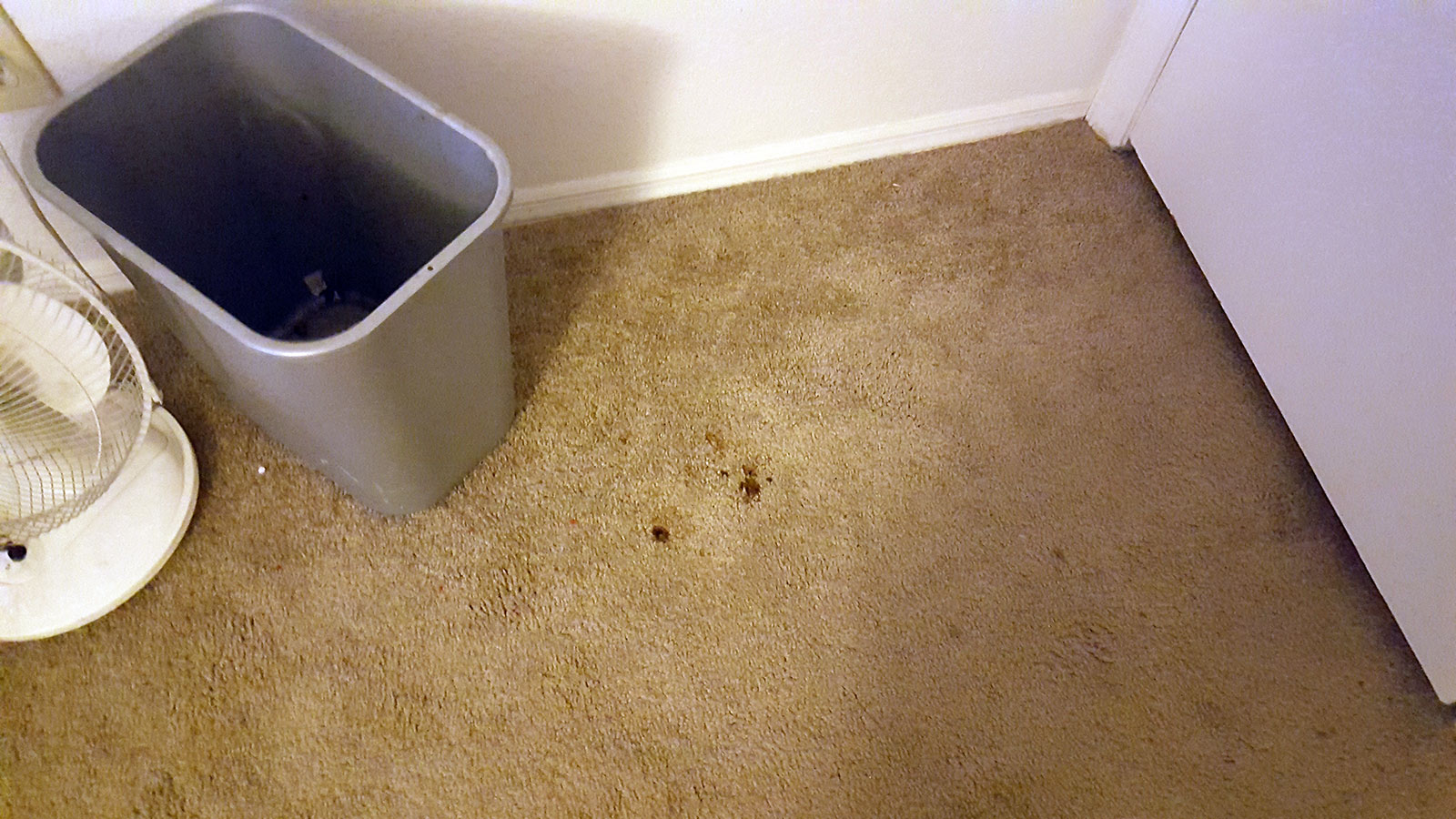
- Contain the water. Place a bucket beneath the drip when safe, and move furniture and valuables away.
- Avoid electrical hazards. Stay clear of wet fixtures, ceiling fans, and outlets. Have affected electrical circuits safely disconnected when necessary.
- Watch for sagging drywall. A swollen or bulging ceiling may be unstable. Keep people away and don’t attempt to puncture it.
- Document changes. Photograph stains and record when dripping begins, slows, or returns.
- Stay off the roof. Wet roofing surfaces can remain slippery after the storm passes.
These precautions can help limit additional damage and provide useful information when arranging a professional inspection.
How Roofers Find the Source of a Ceiling Leak After Rain
Locating a roof leak requires more than examining the roofing directly above a ceiling stain.
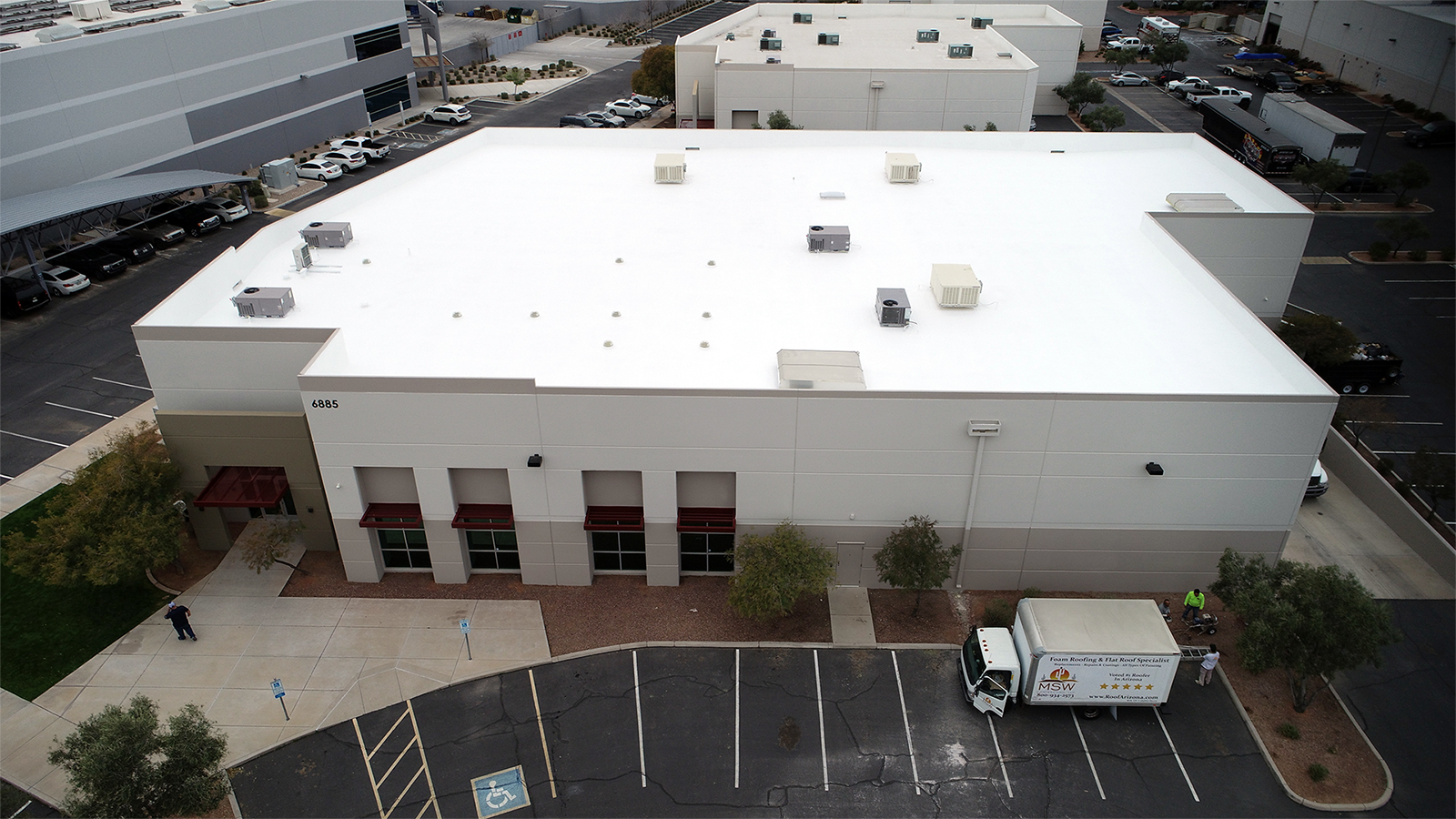
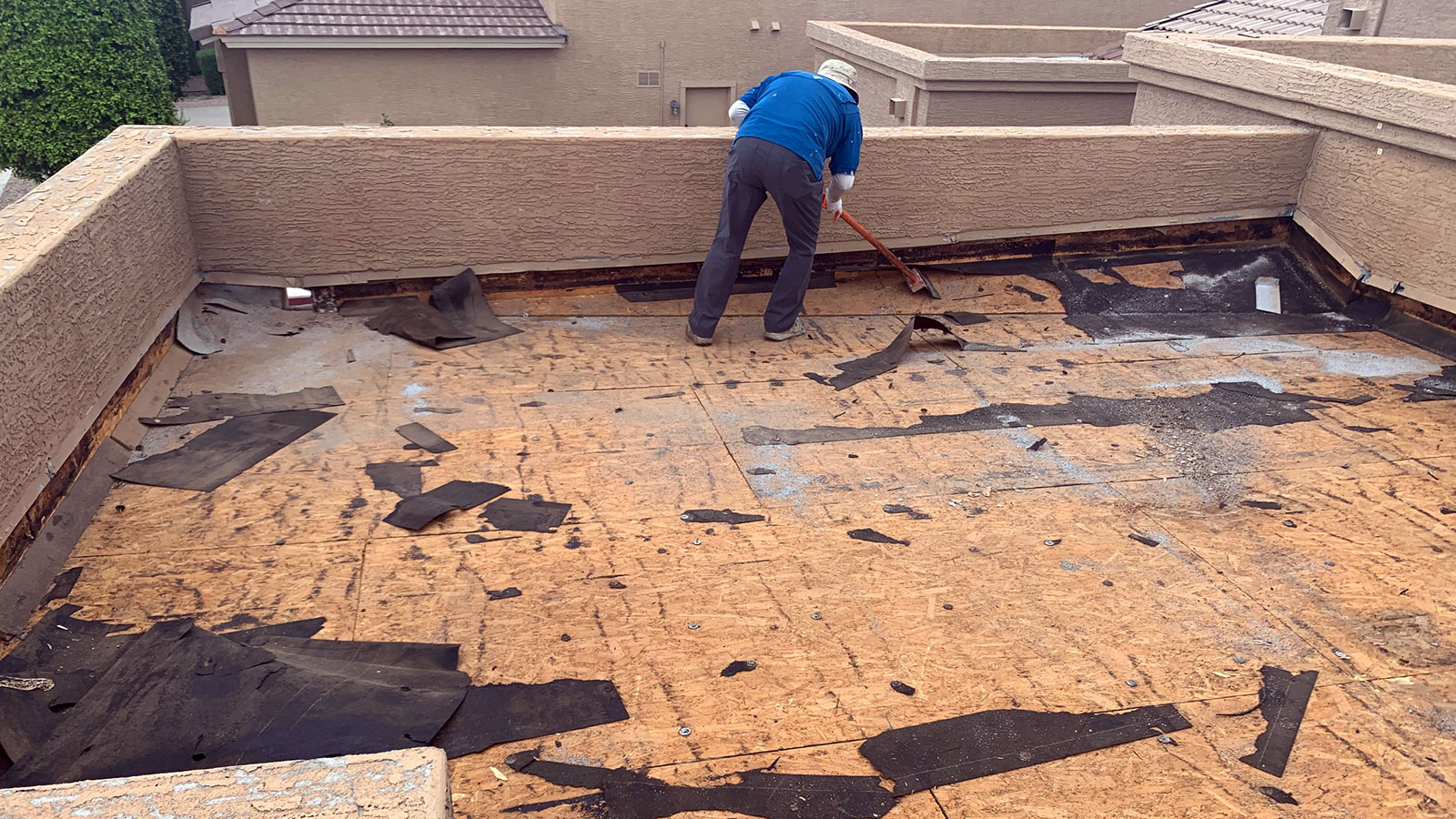
An inspection may involve checking flashing, penetrations, drainage areas, roof transitions, and the condition of surrounding roofing materials. On tile roofs, deteriorated underlayment may be responsible. On foam roofs, damaged protective coatings, penetrations, or drainage conditions may contribute to water intrusion.
This Chandler tile roof leak repair project by MSW provides another example. A leak was visible near a kitchen ceiling and skylight. After removing surrounding tiles, the crew identified deteriorated underlayment and addressed the affected roofing components and flashing.
These projects illustrate why the visible interior symptom is only part of the diagnosis.
When storms arrive close together, moisture may accumulate faster than roofing materials can dry. This is one reason roof leaks can worsen during a rainy week in Chandler and Scottsdale, even when the original opening in the roof is relatively small.
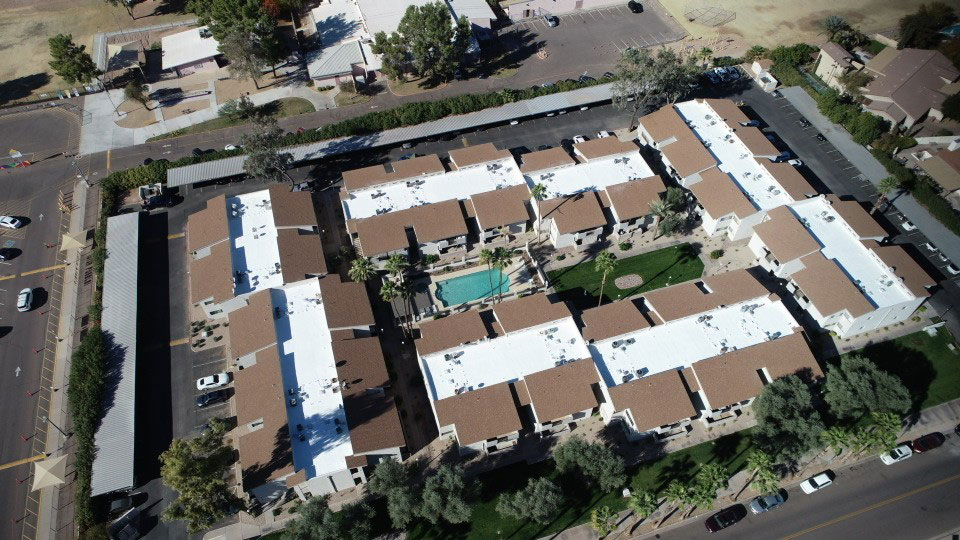
Recent Roof Leak Repair Projects:


When Should You Arrange Phoenix Roof Leak Repair?
A ceiling that continues dripping after rain shouldn’t be ignored simply because the skies have cleared. Moisture remaining in insulation, drywall, or framing can contribute to further deterioration, while an unresolved roof opening may allow the problem to return during the next storm.
Once the source is identified, the appropriate roof repair may involve flashing, deteriorated underlayment, damaged coatings, or another roofing component.
MSW Contracting provides roof leak repair for homeowners in Phoenix and surrounding Valley communities, including Chandler and Scottsdale.
If your ceiling continues dripping, stains are spreading, or water returns after each rainstorm, call MSW Contracting at (800) 934-2573, email info@roofarizona.com, or contact us to request a roof inspection.
Finding the actual source of the water is the first step toward making the right repair and protecting your home before the next storm.