

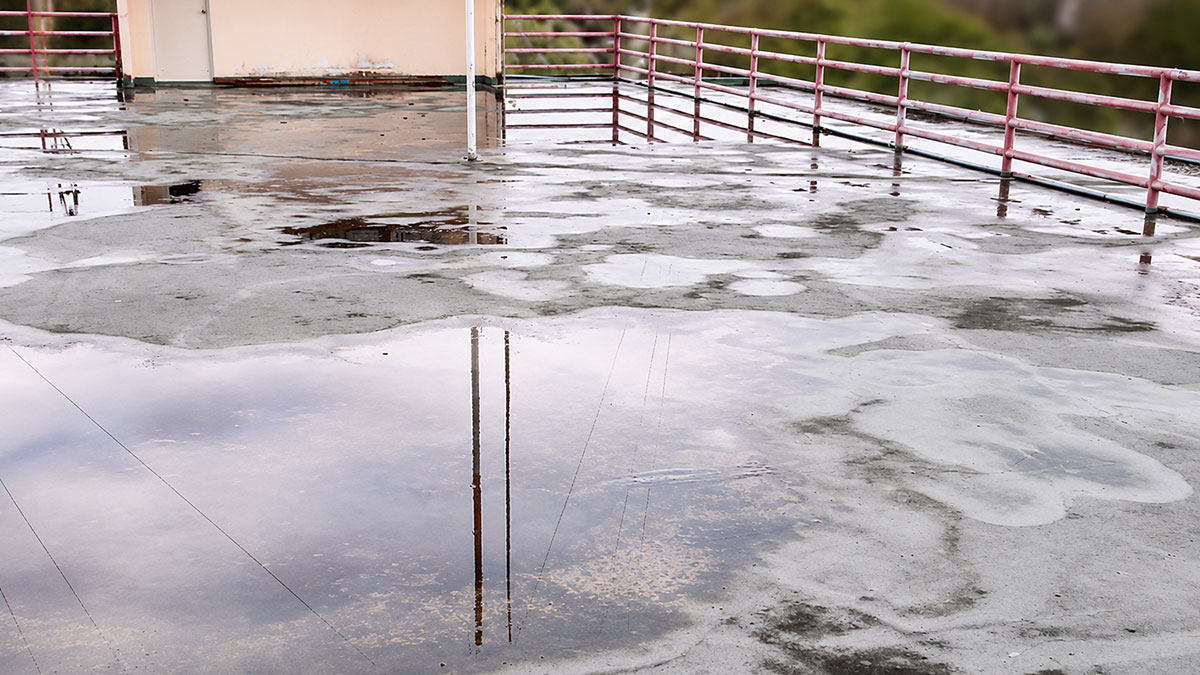
After several days of rain in Phoenix, standing water on a foam roof can raise an important question: Is the roof draining properly, or is water collecting where it shouldn’t? For homeowners and commercial property owners in Phoenix and nearby communities, including Chandler and Scottsdale, persistent ponding can signal drainage problems or deteriorating roofing materials.
Standing water does not automatically mean a foam roof is leaking. However, when water repeatedly collects in the same areas, it deserves attention. Understanding why ponding occurs and how it affects a spray polyurethane foam (SPF) roofing system can help property owners identify problems before they develop into more serious roof leaks.
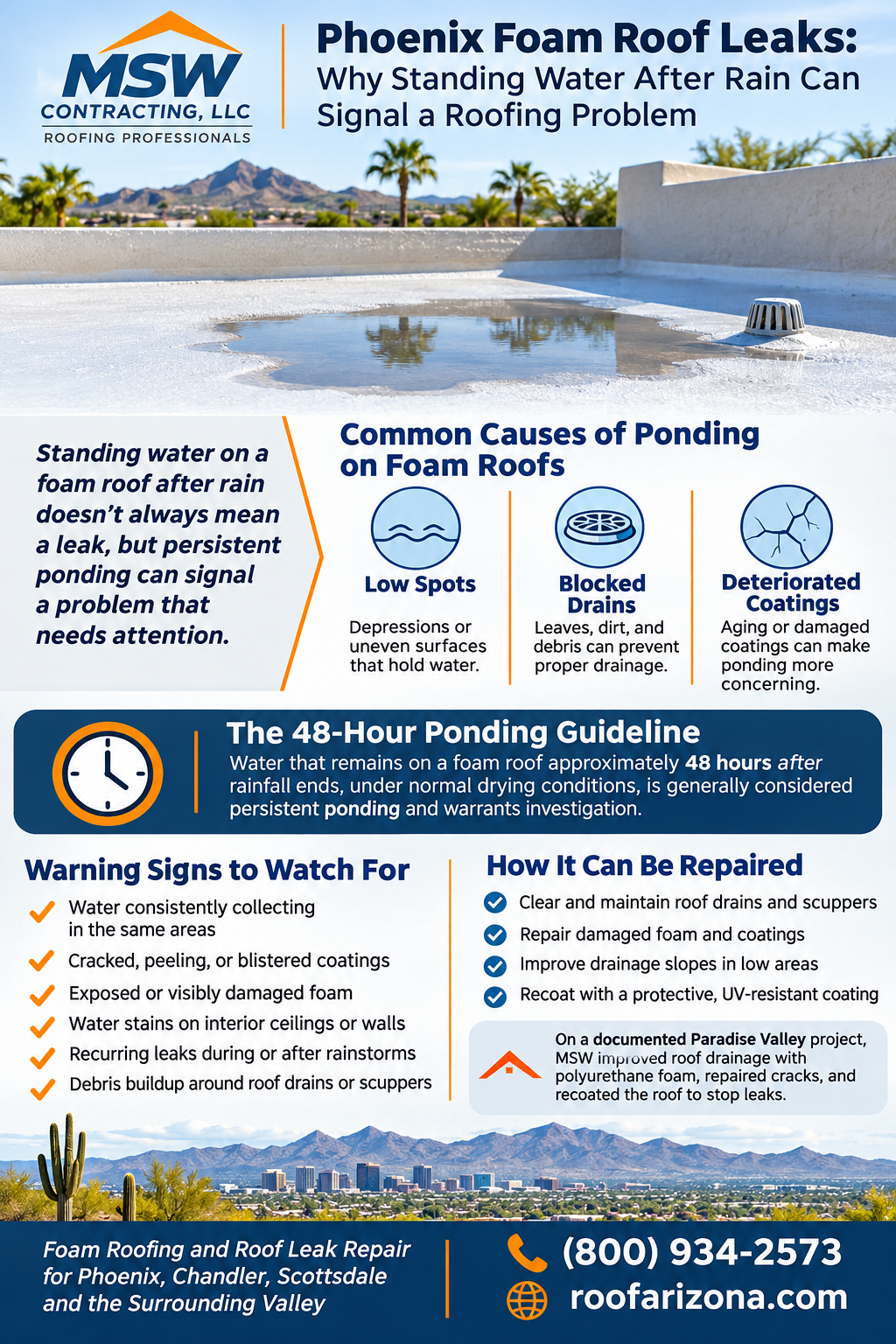
Why Standing Water Can Become a Problem on Foam Roofs
Foam roofing is commonly used on flat and low-slope roofs throughout the Phoenix area. A properly installed SPF roofing system creates a seamless layer of insulation protected by a weather-resistant coating. Although these roofs may appear flat, they should direct rainwater toward drains, scuppers, or other drainage outlets.
When water remains in low areas instead of draining away, the roofing system experiences prolonged moisture exposure. Persistent ponding may accelerate deterioration of protective coatings, particularly where the surface is already aging or damaged.
Arizona’s intense sunlight adds another consideration. Foam roof coatings endure prolonged UV exposure and extreme temperatures between rainstorms. Cracks, exposed foam, and deteriorating surfaces can become vulnerable when water repeatedly collects over them.
What Causes Water to Collect on a Foam Roof After Rain?
Several conditions can prevent rainwater from draining properly from a foam roof.
Low Spots and Uneven Roof Surfaces
Flat roofs are not intended to be completely level. Even small changes in elevation can influence where water collects.
Low spots may result from the original roof design, uneven surfaces, structural movement, or previous roofing work. When these depressions interrupt the intended drainage path, water can remain after surrounding areas have dried.
Blocked Roof Drains and Scuppers
Leaves, dirt, and windblown debris can obstruct roof drains and scuppers, preventing rainwater from leaving the roof efficiently.
During Phoenix-area monsoon storms, strong winds can deposit debris around drainage outlets. Even a relatively small obstruction can cause water to accumulate in areas that normally drain without difficulty.
Deteriorated Coatings or Previous Repairs
Older foam roofs may develop surface irregularities, damaged coatings, or areas where previous repairs have altered the roof’s drainage pattern.
A deteriorated coating does not necessarily cause standing water, but it can make persistent ponding more concerning. Water remaining over damaged or exposed foam increases the importance of identifying whether moisture has entered the roofing system.
Does Standing Water Mean Your Foam Roof Is Leaking?
Not necessarily. Some water may remain temporarily after heavy rainfall, especially when storms occur over several consecutive days.
Water that remains on a foam roof approximately 48 hours after rainfall ends, under normal drying conditions, is generally considered persistent ponding and warrants investigation. It does not necessarily mean the roof is leaking, but it may indicate inadequate drainage or an area requiring repair.
Property owners should watch for several warning signs:
- Water consistently collecting in the same areas after rainfall.
- Cracked, peeling, blistered, or deteriorating protective coatings.
- Exposed or visibly damaged foam.
- Water stains on interior ceilings or walls.
- Recurring leaks during or after rainstorms.
- Debris buildup around roof drains or scuppers.
When storms continue over several days, roof leaks can worsen as prolonged wet conditions expose vulnerabilities that might not become apparent during a brief storm.
When interior water intrusion occurs, professional roof leak repair should begin with identifying the source rather than simply covering visible damage.
How Can Drainage-Related Foam Roof Problems Be Repaired?
The appropriate repair depends on why water is collecting and whether the roofing system has sustained damage. A professional inspection should distinguish blocked drains, low spots, deteriorated coatings, and actual water intrusion before determining what corrective work is necessary.
Depending on the findings, corrective work may involve clearing drains, repairing damaged foam, improving drainage slopes, reinforcing vulnerable areas, or restoring protective coatings.
MSW Contracting has addressed these conditions on actual Valley roofing projects.
During a documented foam roof repair project in Paradise Valley, standing water was contributing to leaks inside the home. MSW’s roofing team added polyurethane foam to improve the slope toward the drains, repaired existing cracks, and recoated the roof with AC100 premium elastomeric coating.
This project illustrates why correcting drainage can be just as important as repairing damaged roofing materials. Applying another coating without addressing an underlying low spot may leave the original drainage problem unresolved.
MSW Contracting provides foam roofing installation, repair, and recoating services throughout Phoenix and the surrounding Valley.
When Should You Schedule a Foam Roof Inspection After Rain?
Property owners should consider a professional inspection when water remains on a foam roof well after surrounding areas have dried, particularly when ponding repeatedly occurs in the same locations.
An inspection becomes more important when standing water is accompanied by damaged coatings, exposed foam, interior staining, or recurring leaks.
A roof can develop drainage problems before an interior leak becomes visible. Identifying these conditions early may allow targeted repairs before moisture causes more extensive damage.
Avoid walking onto a wet or potentially damaged foam roof to investigate. Roofing surfaces can be slippery, and some damaged areas may not be obvious.
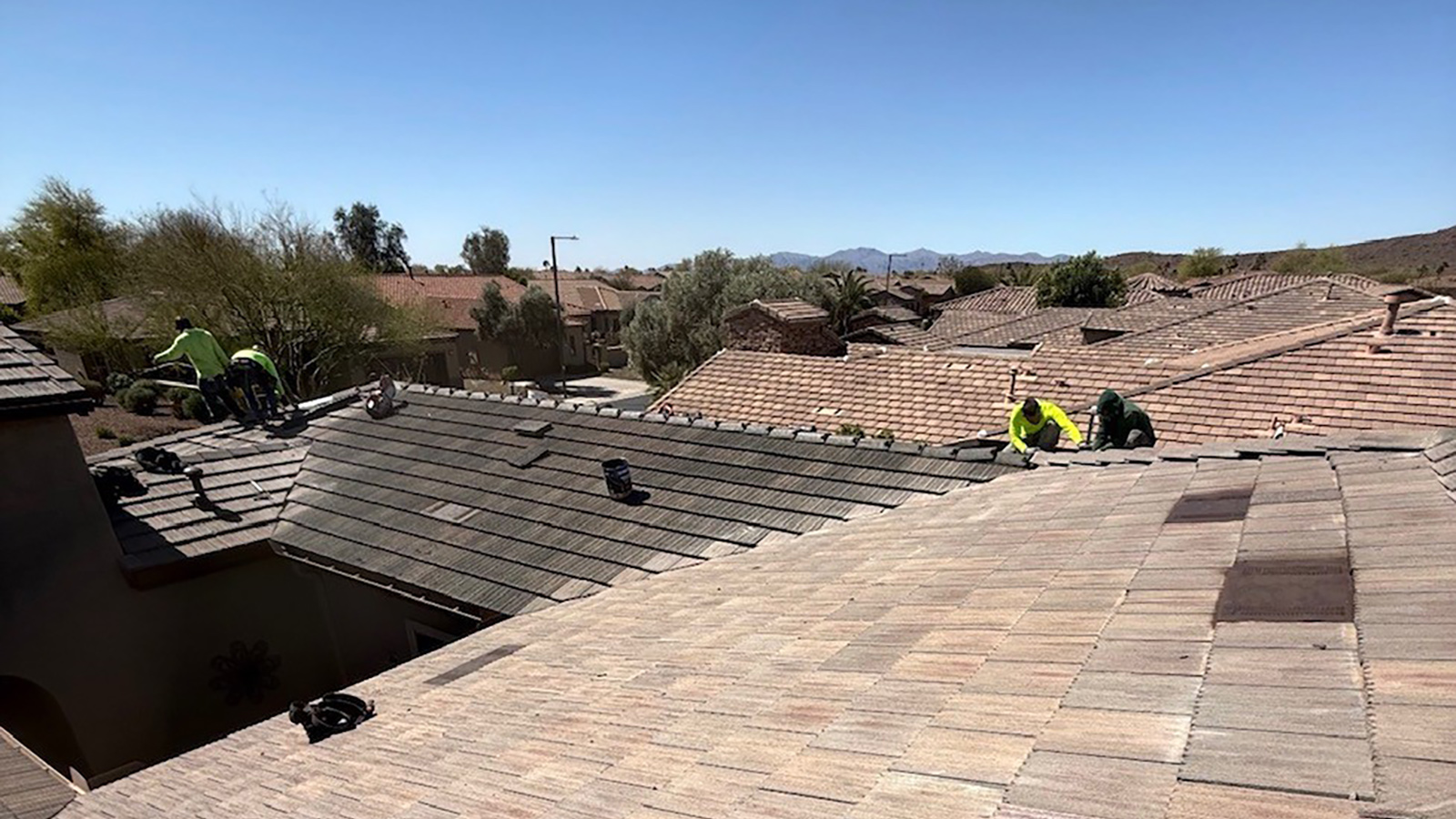
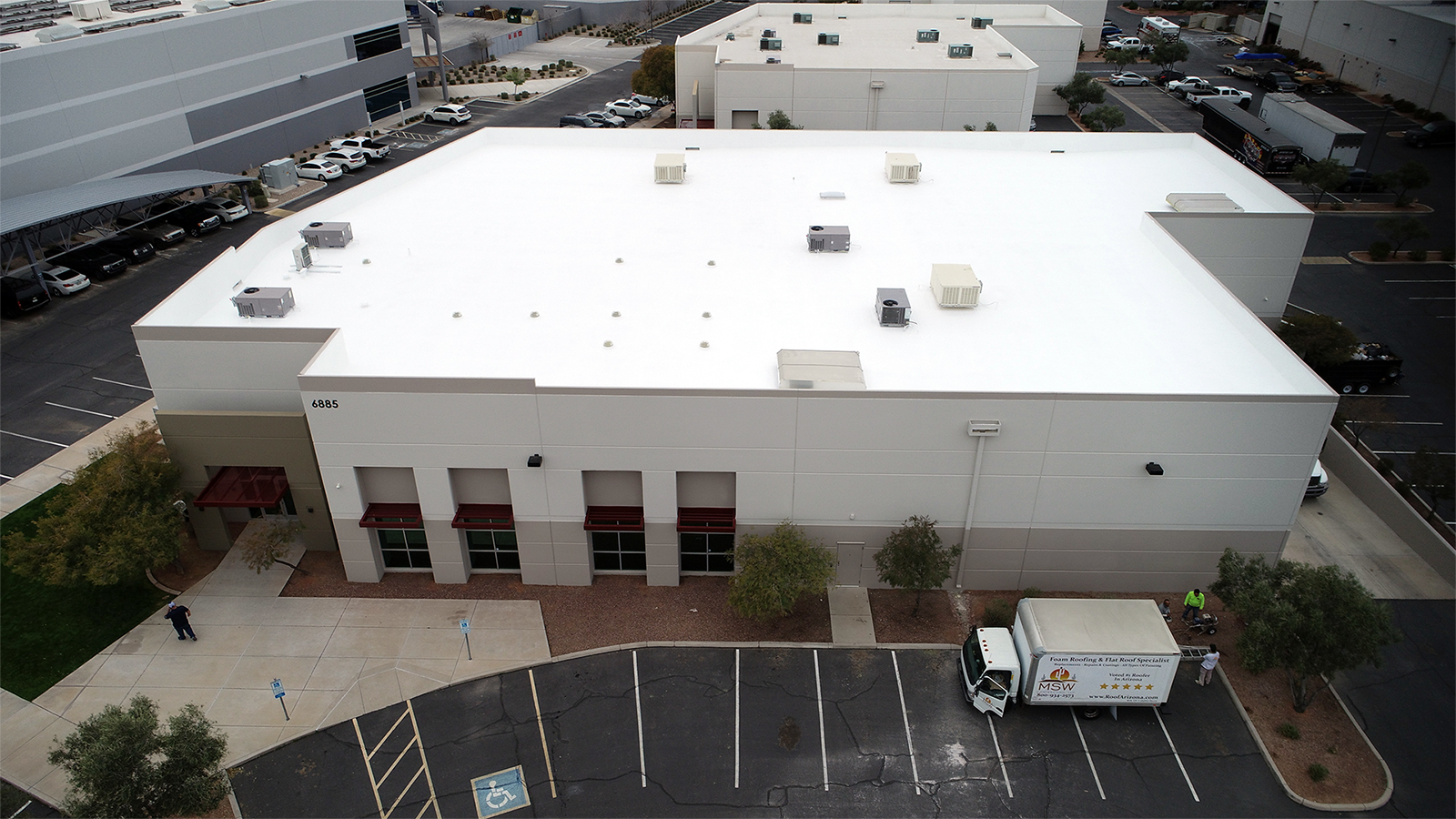
Recent Roof Leak Repair Projects:


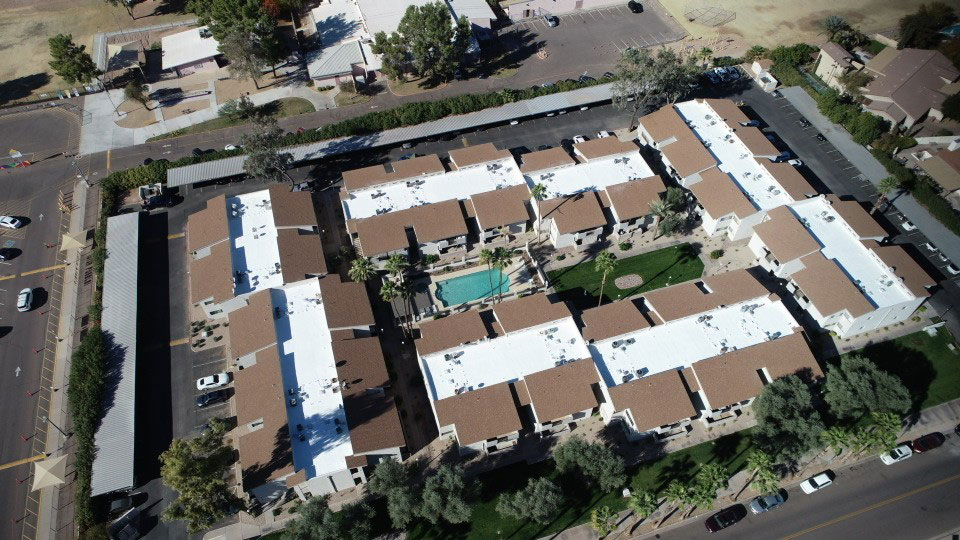
Phoenix Foam Roof Leak Repair Starts With Identifying the Cause
Standing water after rain is a reason to evaluate a foam roof, not an automatic reason to replace it. The correct solution depends on the roof’s drainage, coating condition, and whether water has entered the roofing system.
MSW Contracting serves Phoenix, Chandler, Scottsdale, and communities throughout the Valley, helping residential and commercial property owners identify and address foam roofing problems.
If your foam roof develops persistent standing water or begins leaking after rain, contact MSW Contracting call MSW Contracting at (800) 934-2573, email info@roofarizona.com, to schedule a professional roofing evaluation.