

When a roof starts leaking during several days of rain in Phoenix, homeowners face an immediate question: should they call a roofer now or wait for dry weather? Homeowners in Chandler, Scottsdale, and throughout the Valley face the same concern when water appears beneath tile, foam, or other roofing systems.
Some roof leaks can be repaired during a break in rainy weather, provided access is safe and conditions meet the repair material’s requirements. Others need temporary protection until permanent repairs can be completed. Contact a roofing contractor while the leak is occurring to discuss assessment and availability.
MSW Contracting provides roof leak diagnosis and repair throughout Metro Phoenix. Understanding the steps involved helps you report the problem, discuss protection options, and prepare for repairs during unsettled weather.
Should You Call a Phoenix Roofer While It’s Still Raining?
You do not need to wait for a dry forecast to report a leak. Contacting a contractor early allows you to describe the symptoms and discuss inspection availability.
Explain whether water is actively dripping, a stain is expanding, or the same area leaks during each storm. Mention previous repairs and whether moisture appears near a skylight, vent, exterior wall, or ceiling fixture.
These observations help guide an investigation, but they do not establish the entry point. Water can travel along roof components before appearing indoors.
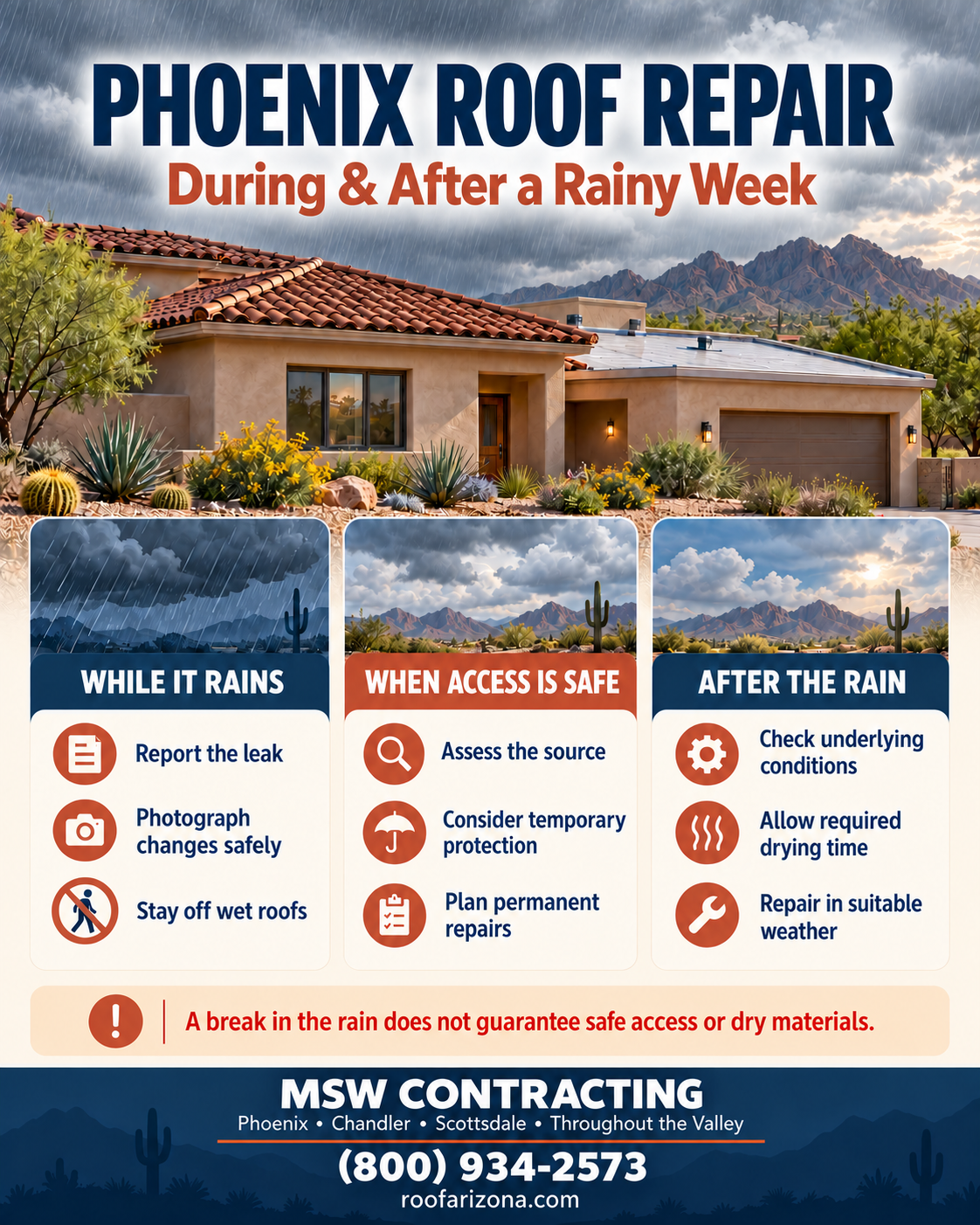
Limited drying time and continuing water entry help explain why roof leaks can worsen during a rainy week. Reporting changes as they happen gives the contractor useful information when planning an assessment.
What Can Be Assessed Before the Roof Dries?
An assessment may begin with interior symptoms, photographs, repair records, and safely accessible areas. Exterior roof access depends on conditions at the property.
Rain, lightning, wind, slippery surfaces, and deteriorated decking can prevent safe access. A pause between showers does not automatically make a roof safe to walk on.
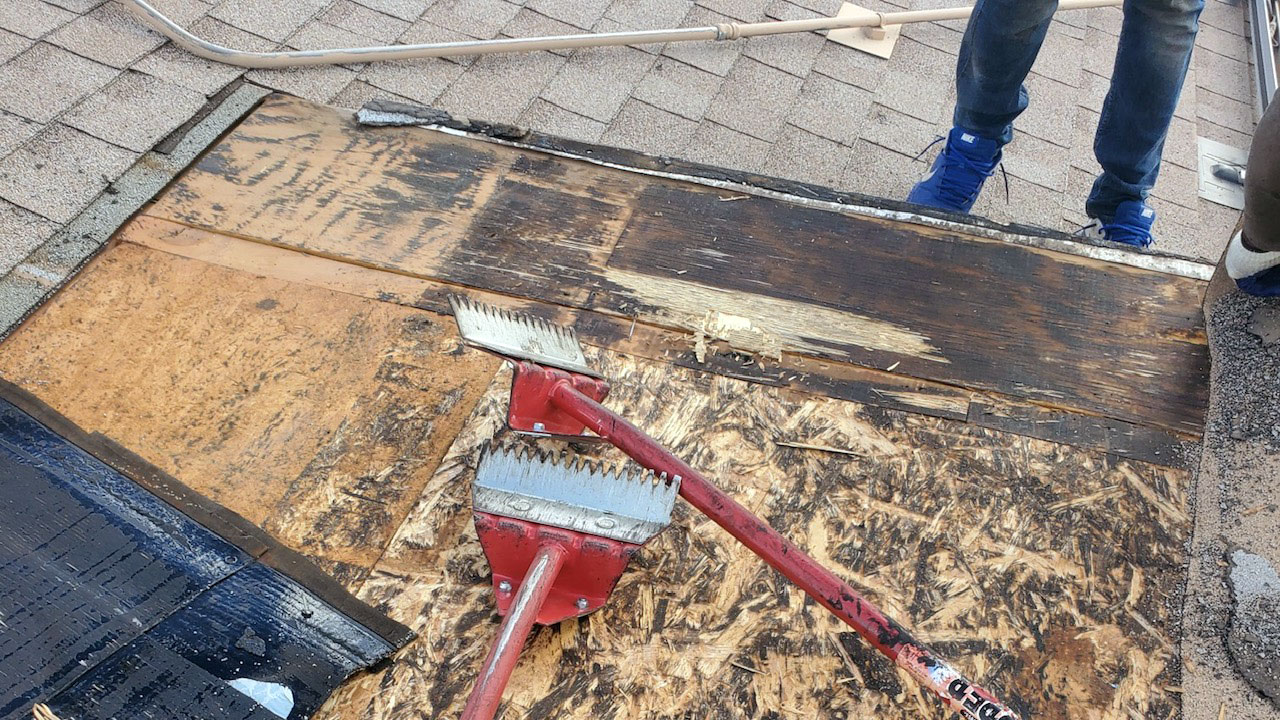
When conditions permit, an exterior inspection can examine flashing, penetrations, drainage, and visible roofing defects. Further investigation may require lifting tiles or opening a limited area. That work must account for how the exposed area will be protected if rain returns.
A useful assessment connects the proposed repair to an identified problem rather than relying solely on the ceiling stain’s location.
Temporary Protection and Permanent Roof Repairs
Temporary protection can help limit additional water entry while permanent repairs are pending. The appropriate method depends on the roof system, damage, access, and weather.
A contractor may recommend a temporary covering or localized protective measure. Improvised patches can redirect water, obstruct drainage, or complicate later work, so homeowners should avoid climbing onto a wet roof to attempt repairs.
Ask what the temporary measure will accomplish, what limitations remain, and what permanent work is recommended. Confirm availability and timing directly with MSW.
Permanent roof repairs require suitable preparation and installation conditions. Products may have specific requirements for surface moisture, temperature, adhesion, and curing.
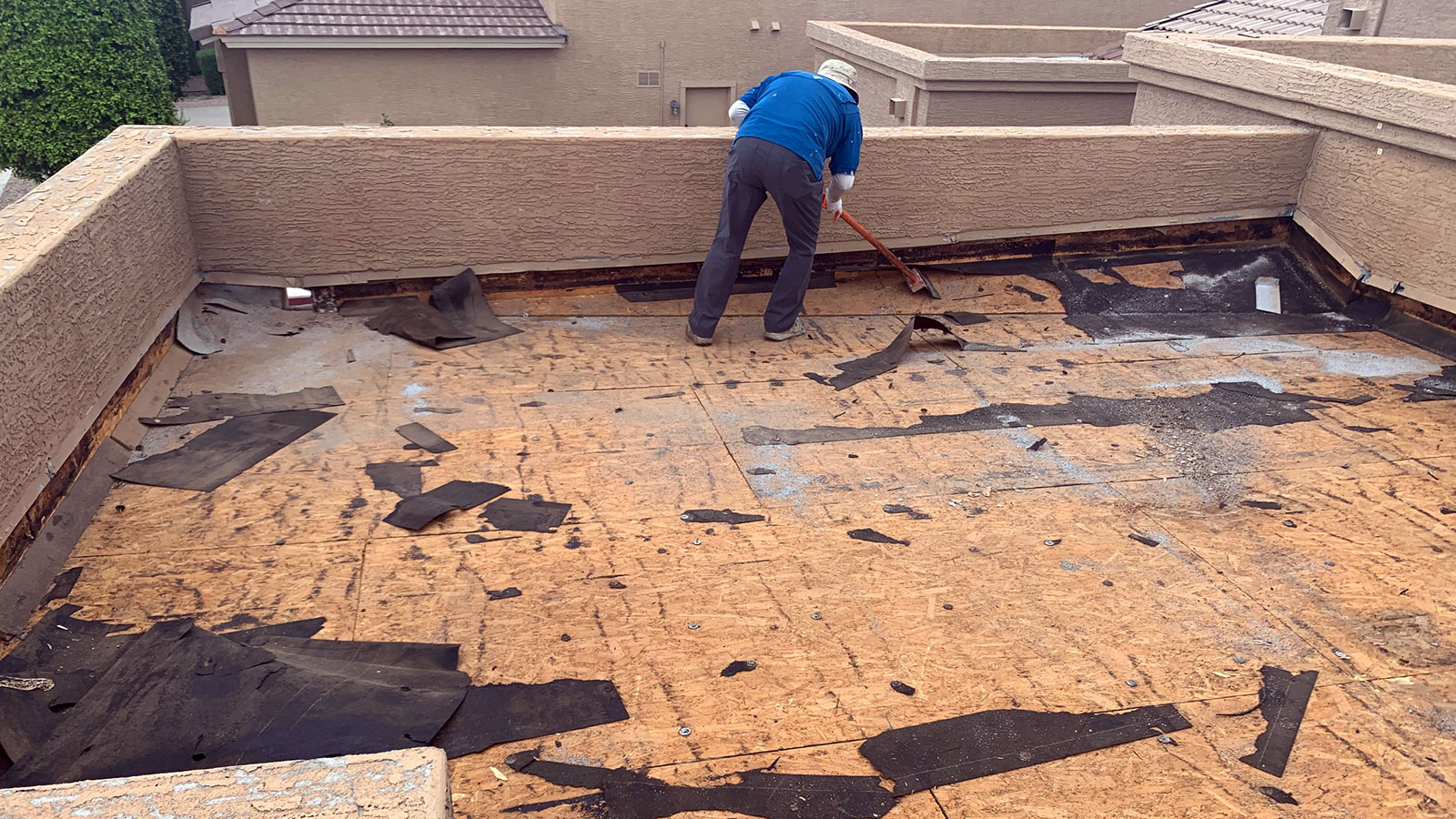
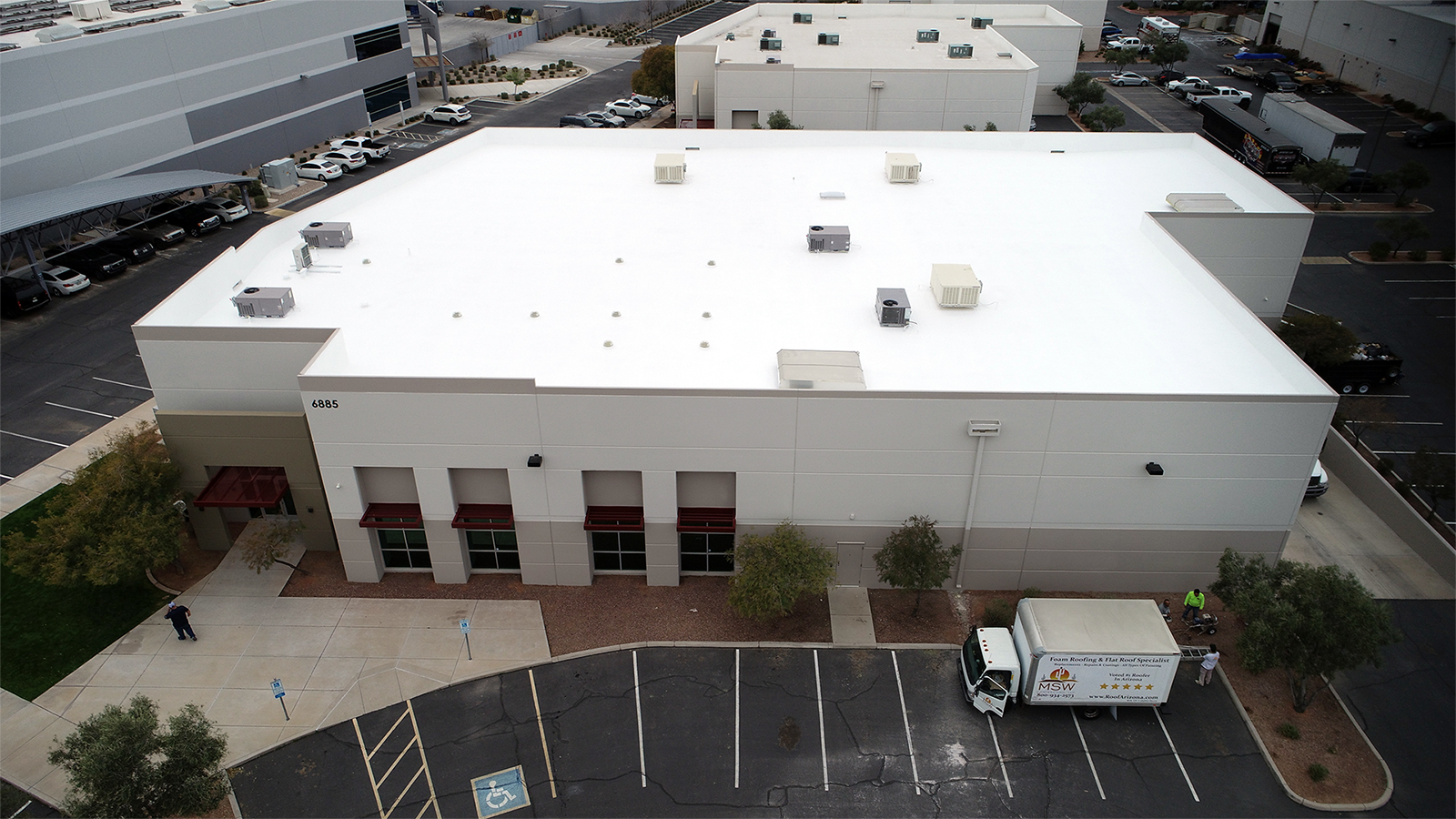
On tile roofs, accessing damaged underlayment or flashing may involve removing tiles. On foam roofs, damaged coating or foam may require preparation and repair before a protective coating is applied. A coating alone does not resolve every leak.
What Changes After the Weather Clears?
Dry weather creates opportunities for inspection and repair, but the end of rainfall does not mean every roof component has dried.
A contractor may need to evaluate moisture beneath the surface, the condition of underlying materials, and whether the affected area is ready for the proposed repair. Dripping that stops also does not establish that the defect has disappeared.
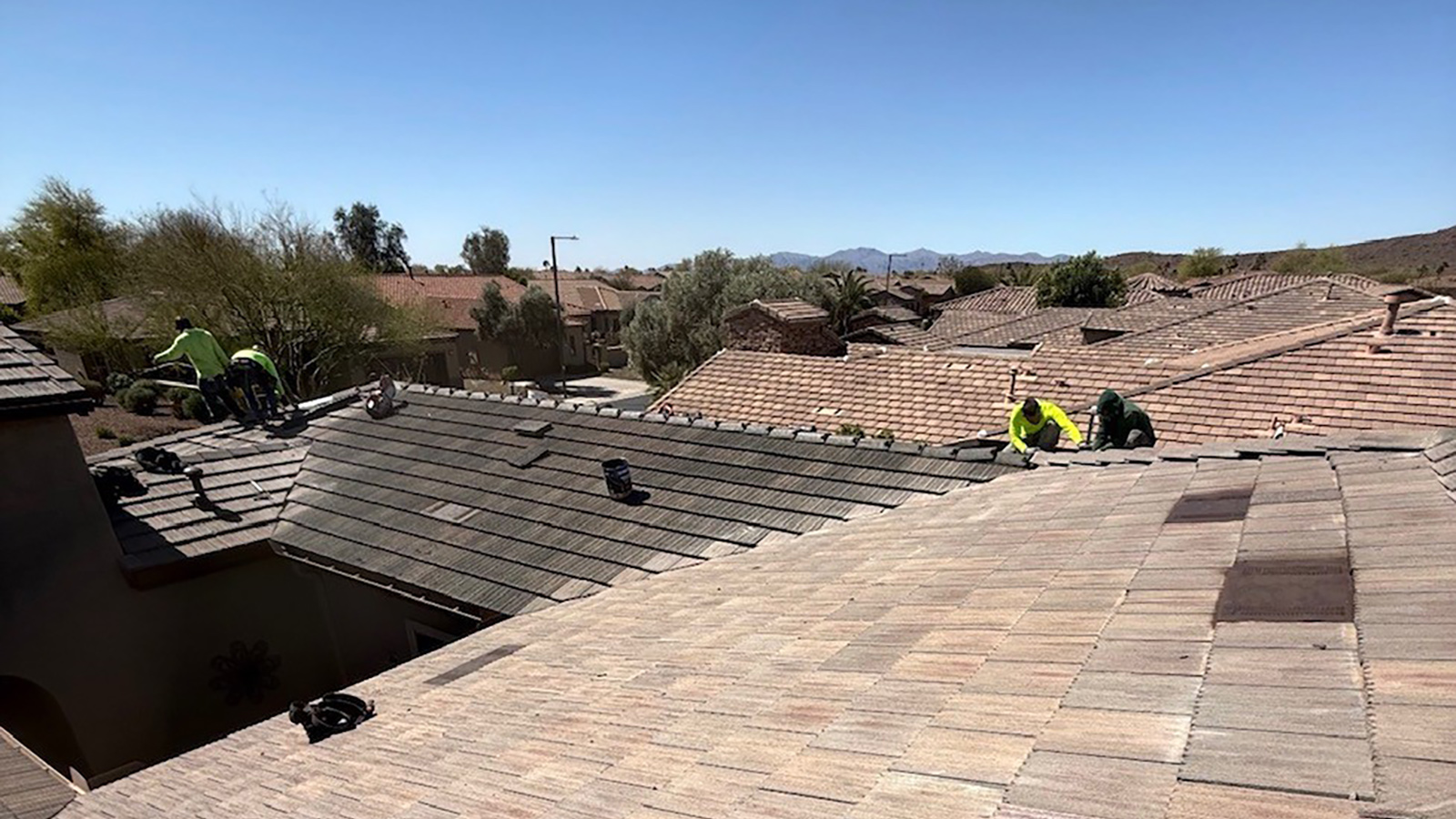
A Recent Example of a Tile Roof Underlayment Replacement Project in Phoenix
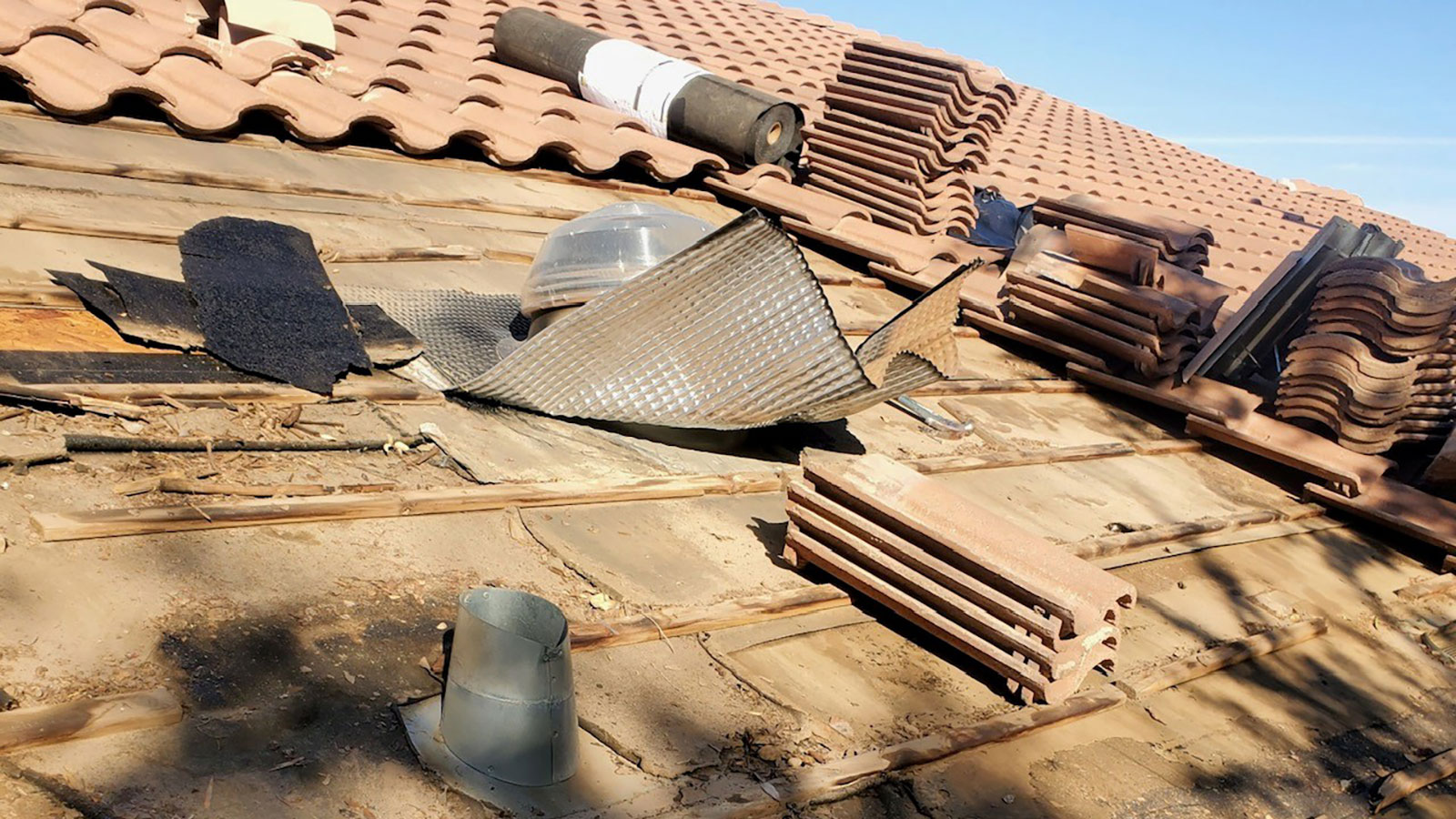
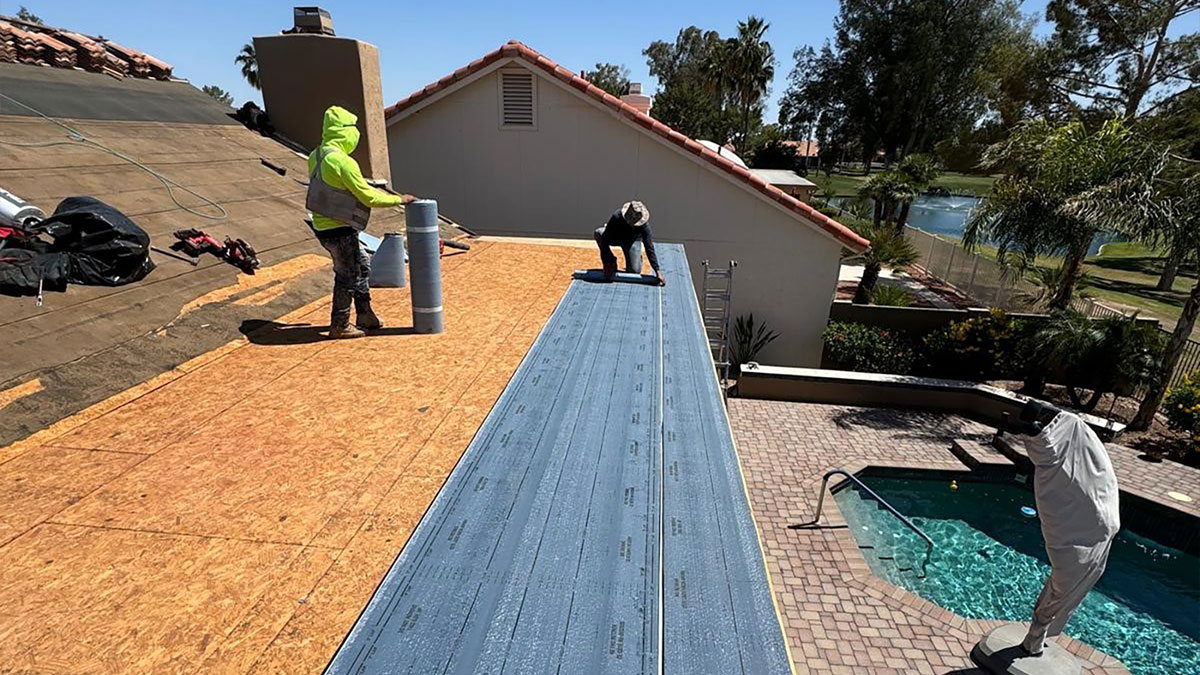
During a tile roof underlayment replacement in Phoenix, MSW addressed leaks that became noticeable after rainstorms on a 23-year-old roof. The work included removing and stacking existing tiles, replacing deteriorated wood, installing new underlayment and battens, and reinstalling the original tiles.
The project illustrates how rain can reveal problems beneath the visible roof covering. An inspection determines whether another home needs a localized repair or more extensive work.
After an inspection, homeowners should understand the identified problem, recommended work, any temporary protection, and the conditions required to proceed.
What Should You Document Before a Roof Leak Inspection?
Clear information helps a contractor investigate a leak that may stop before the appointment:
- Photograph stains and dripping from a safe location.
- Record when symptoms begin and whether dripping continues after rain.
- Note affected rooms and changes between storms.
- Gather previous repair invoices, roof records, and warranty information.
- Report new symptoms when updating the appointment.
Move belongings away from dripping water when safe. Keep people clear of sagging ceilings and avoid wet electrical fixtures or switches. Report those conditions promptly rather than approaching them for photographs.
These observations help the contractor understand what happened between storms, even when the ceiling is no longer dripping.
Recent Roof Leak Repair Projects:


Schedule a Roof Inspection in The Phoenix Area
A rainy-week leak calls for a clear sequence: report the symptoms, assess the source when conditions allow, determine whether temporary protection is appropriate, and complete repairs under suitable conditions.
MSW Contracting provides roof leak repair in Phoenix, Chandler, Scottsdale, and throughout the Valley. Contact MSW Contracting to describe the symptoms and discuss inspection availability. Reporting the problem early helps establish the next steps while rain continues and after the weather clears.
Call MSW Contracting at (800) 934-2573, email info@roofarizona.com, to request a free estimate and schedule a roof inspection related to ongoing or recent storm activity.