

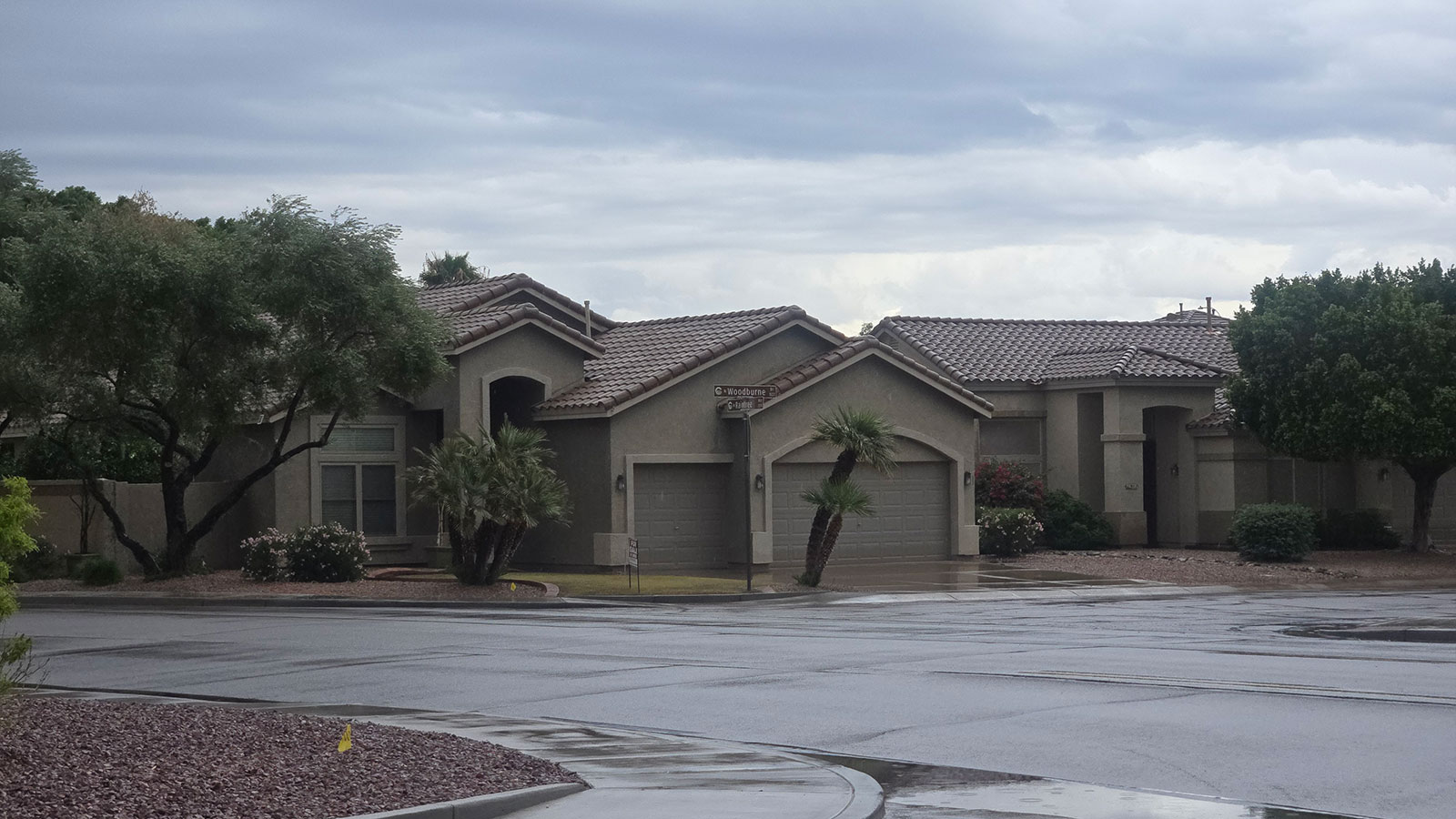
Your tile roof looks fine from the street. There are no obvious broken tiles or missing sections. Yet after several days of rain, you notice a water stain on the ceiling or moisture dripping into your home. How can a roof that appears perfectly intact be leaking?
For homeowners in Phoenix, Arizona, and nearby communities such as Chandler and Scottsdale, discovering a tile roof leak during or after a rainy week can be especially frustrating. A tile roof can leak even when the visible tiles are in good condition because the tiles themselves are not the primary waterproofing layer.
MSW Contracting has encountered these conditions during residential tile roof repairs throughout the Phoenix area, including projects involving deteriorated underlayment, damaged flashing, and concealed roofing components. Understanding what happens beneath the tiles helps explain why a roof can look healthy while allowing water inside.
Why Roof Tiles Can Look Fine While Water Gets Inside
Clay and concrete roof tiles are designed to shed rainwater and protect the roofing system from Arizona’s intense sun and seasonal storms. However, tiles do not create a completely watertight surface.
During heavy or wind-driven rain, water can travel beneath overlapping tiles. The underlayment installed below them provides critical protection against moisture reaching the roof decking.

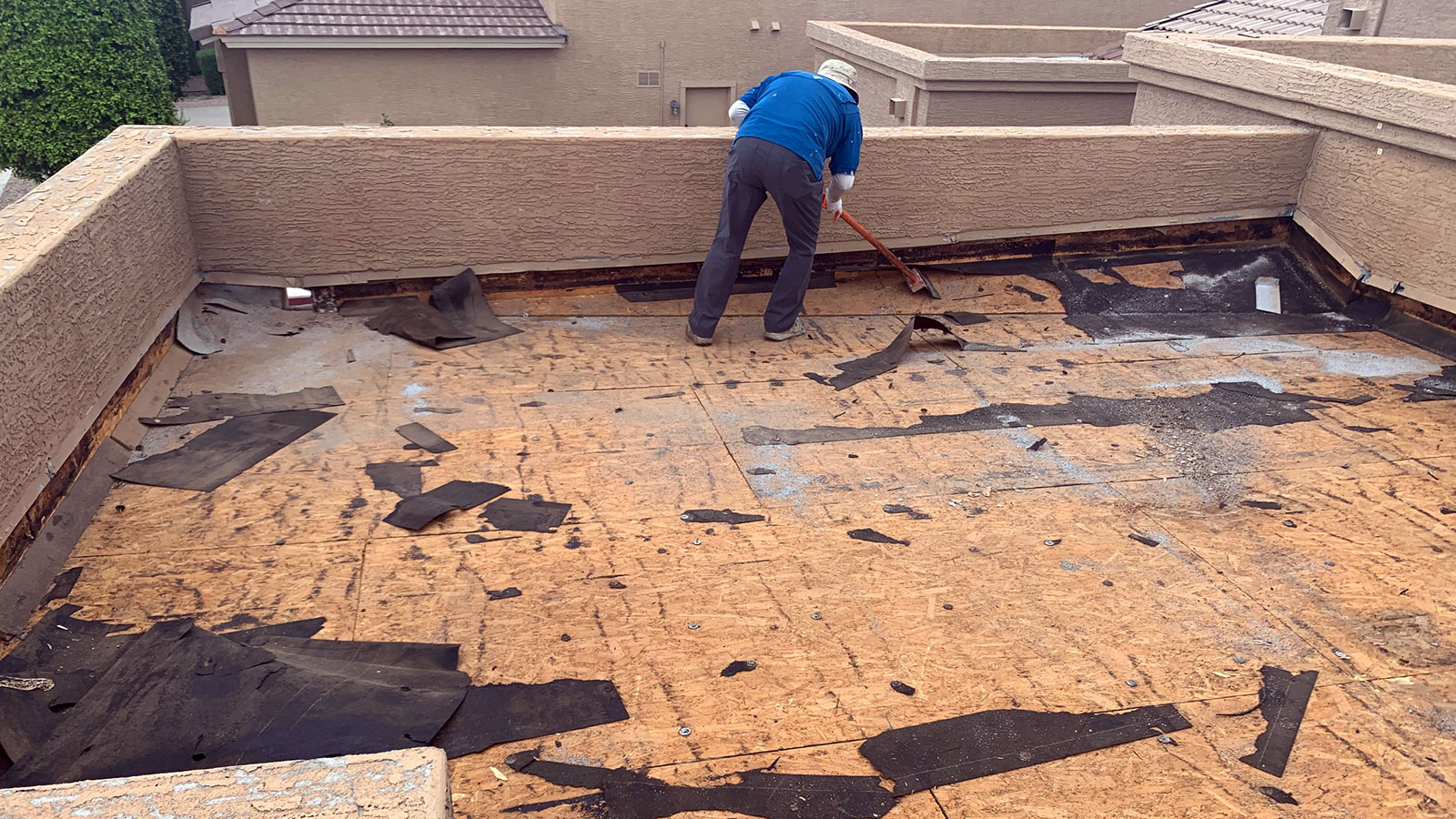
Over time, underlayment can deteriorate from aging, heat exposure, and other environmental conditions. Materials may become brittle, crack, separate, or lose their ability to resist water.
This creates a misleading situation: the visible roof tiles may remain serviceable while the waterproofing materials beneath them no longer provide adequate protection.
What Causes a Tile Roof to Leak Without Broken Tiles?
Deteriorated underlayment is a common concern, but it is not the only cause of concealed tile roof leaks. Several components work together to direct water away from vulnerable areas.
Common causes include:
- Deteriorated underlayment: Aging or damaged waterproofing materials allow moisture to reach the decking beneath otherwise intact tiles.
- Damaged flashing: Metal flashing around chimneys, skylights, vents, and adjoining walls can become damaged or improperly sealed.
- Roof penetrations: Plumbing vents, exhaust openings, and other penetrations create potential entry points when surrounding waterproofing fails.
- Roof valleys: Areas where roof slopes meet carry concentrated runoff. Damaged flashing or deteriorated underlayment can contribute to leaks.
- Roof transitions: Connections between tile roofing, walls, and adjoining roof sections require properly installed waterproofing details.
Phoenix’s extreme summer temperatures can accelerate the aging of some roofing materials, while seasonal rainfall exposes vulnerabilities that developed during drier months.
These conditions do not automatically require replacing an entire roof. The appropriate repair depends on identifying which components have failed.
How Roofers Find Hidden Tile Roof Leaks in Phoenix
A ceiling stain does not necessarily identify where water is entering the roof.
Moisture can travel along decking, framing, and other building materials before appearing inside the home. This makes locating concealed tile roof leaks more complicated than simply inspecting the tiles directly above a stain.
A professional inspection evaluates vulnerable areas, including flashing, valleys, roof penetrations, and transitions. When necessary, tiles may be carefully removed to examine the underlayment and decking beneath them.
The objective is to distinguish an isolated failure from deterioration affecting a larger portion of the roofing system.
That distinction matters because the source and extent of the damage determine whether a localized repair or more extensive work is appropriate.
What MSW Contracting Found During Tile Roof Repairs in the Valley
The difference between a localized flashing failure and deteriorated underlayment becomes clearer when examining actual roof repairs completed by MSW Contracting.
Chandler Tile Roof Leak: Damaged Flashing Around an Attic Vent
Following a monsoon storm, a Chandler homeowner discovered roof leaks affecting one side of the house.
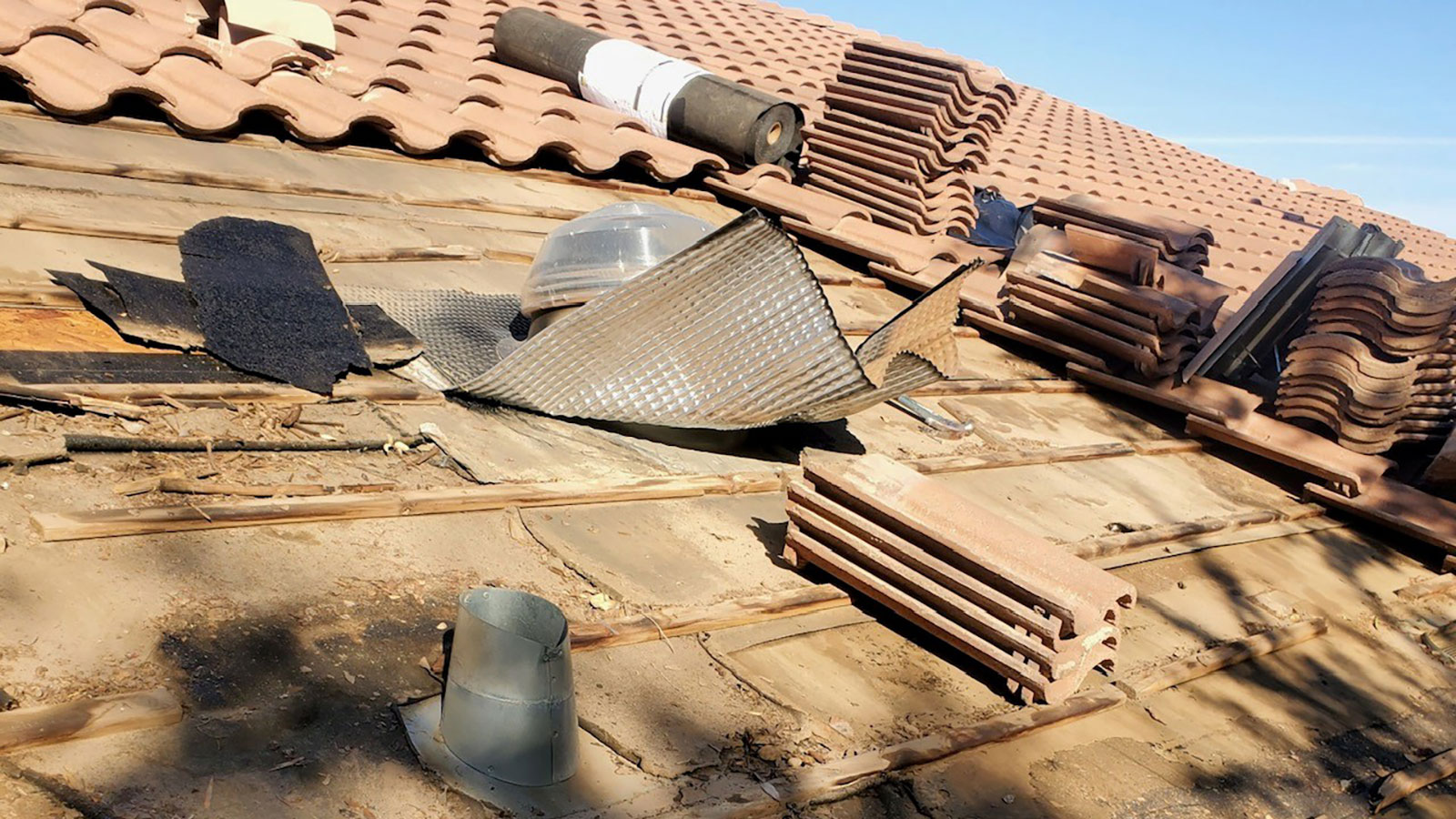
During this tile roof repair in Chandler, MSW Contracting removed roof tiles and identified damaged flashing around an attic vent as the source.
Although damaged flashing around the attic vent was identified as the leak source, the repair also required replacing deteriorated underlayment across the affected roof section. Identifying the entry point helped MSW determine which surrounding components needed attention.
Phoenix Tile Roof: Deterioration Beneath the Existing Tiles
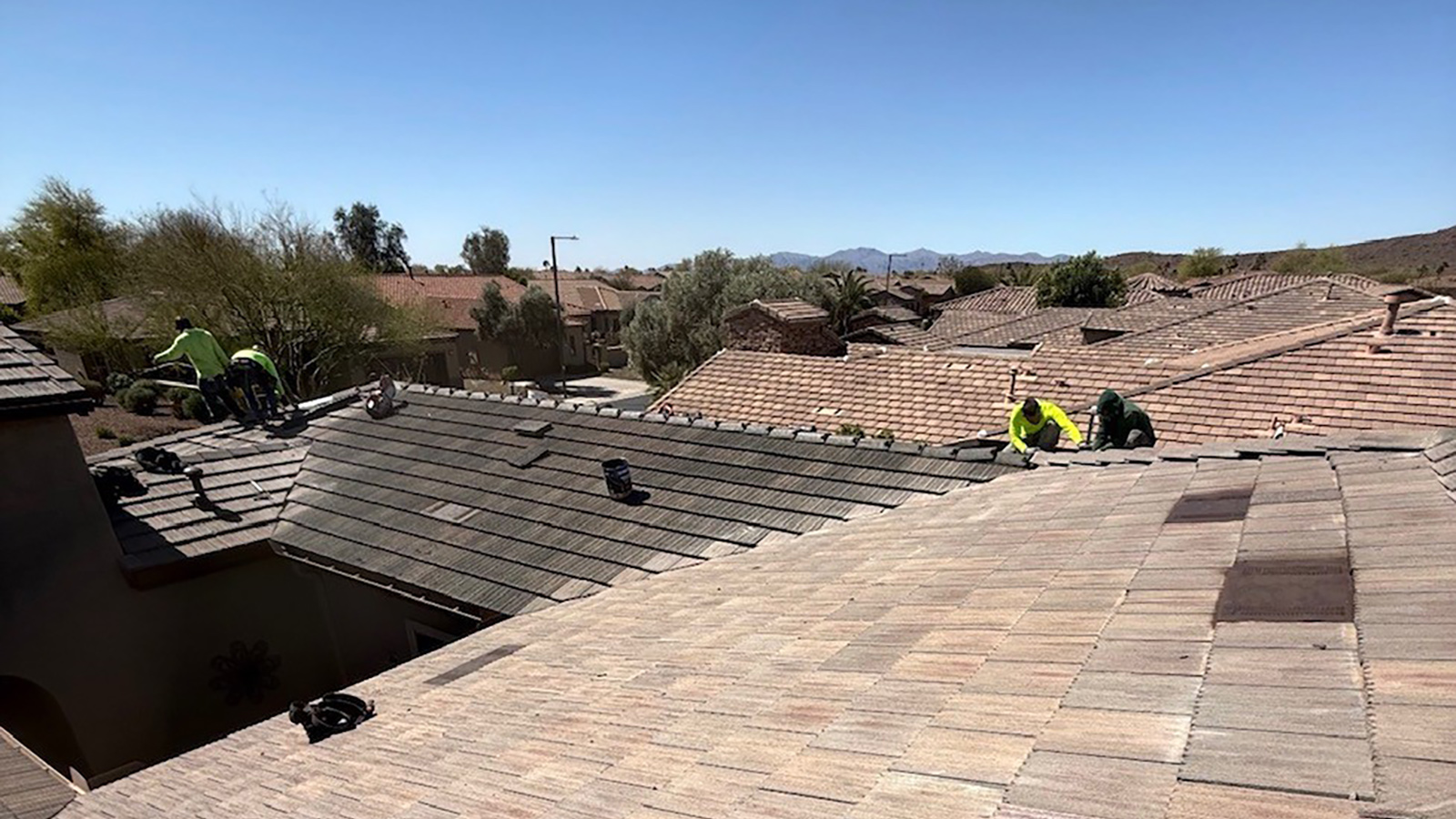
At a Phoenix residence, MSW inspected a 23-year-old tile roof after homeowners experienced leaks following rainstorms.
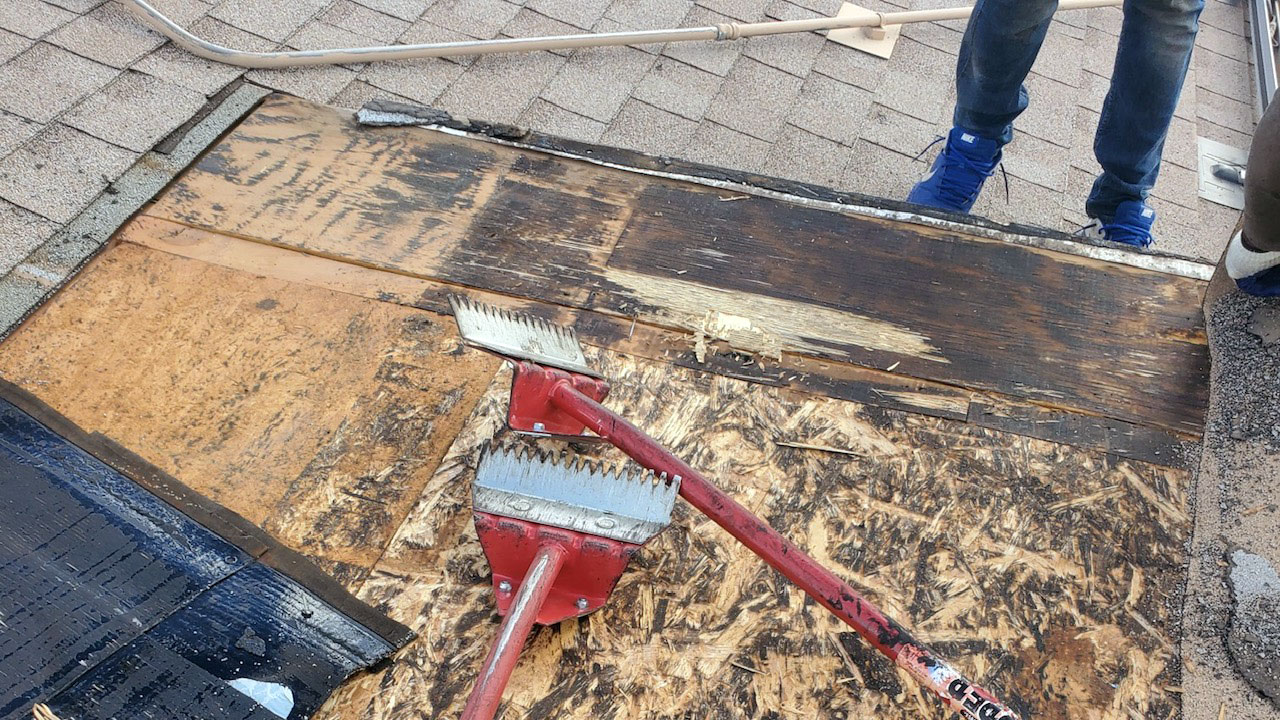
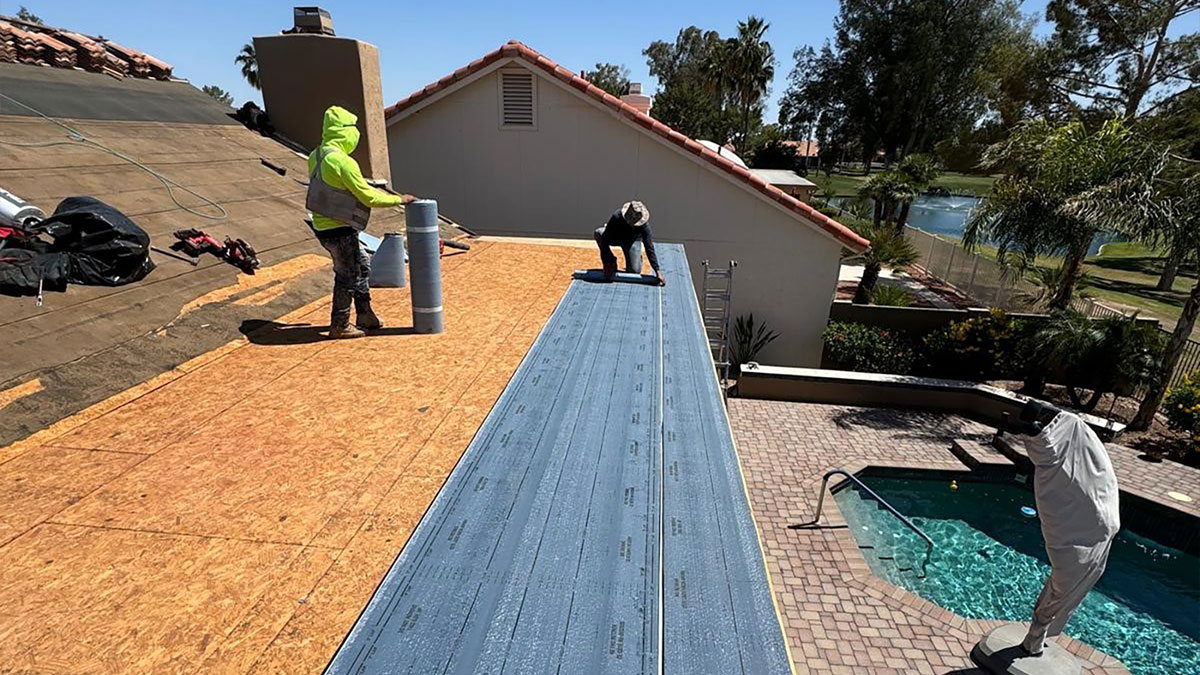
The Phoenix tile roof underlayment project involved removing and stacking the existing tiles, replacing deteriorated wood in the roof structure, installing new underlayment and battens, and reinstalling the original tiles.
The project demonstrates how substantial waterproofing repairs and replacement of damaged wood can be necessary even when existing roof tiles remain suitable for reuse.
Can a Leaking Tile Roof Be Repaired Without Replacing All the Tiles?
Yes. Depending on the roof’s condition, some leaks can be repaired without replacing the entire tile covering.
When damage is limited to flashing, penetrations, or localized underlayment deterioration, targeted roof repairs may be sufficient.
However, widespread underlayment deterioration can require a tile lift-and-reset procedure. Existing tiles are carefully removed, damaged waterproofing materials are replaced, and reusable tiles are reinstalled.
MSW has also completed underlayment replacement projects in Scottsdale involving existing concrete tiles. These projects demonstrate how tile roofing systems can sometimes be restored without automatically replacing serviceable tiles.
The decision should be based on inspection findings, not simply the roof’s age or outward appearance.
Recent Roof Leak Repair Projects:


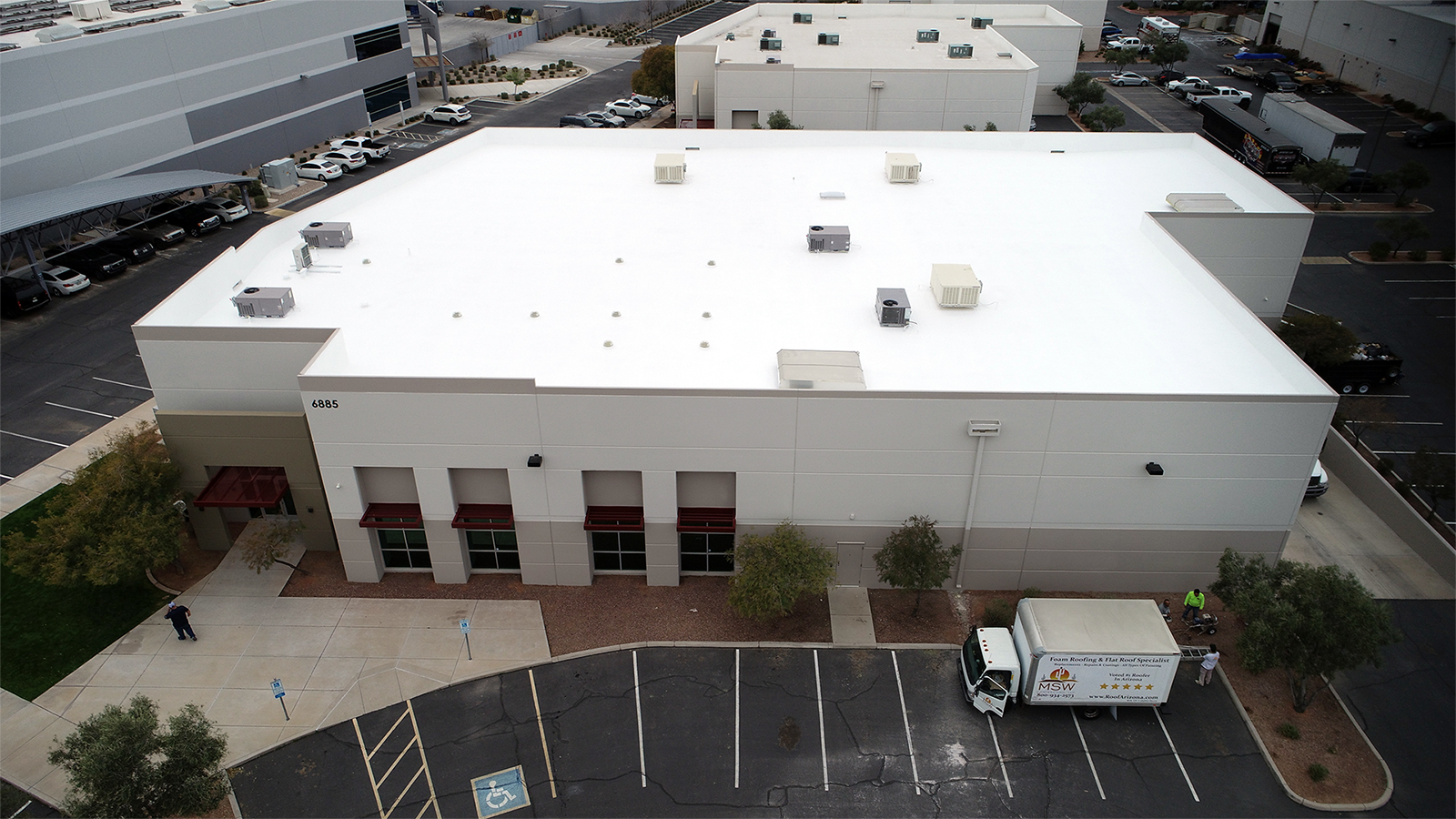
Tile Roof Leak Repair in Phoenix, Arizona
A tile roof that looks fine can still have concealed problems involving underlayment, flashing, penetrations, or roof transitions.
Rainy weather can reveal a concealed tile roof problem, but the timing and extent of repairs depend on weather conditions, roof safety, and the damage discovered during inspection.
MSW Contracting provides roof leak repair services in Chandler, Scottsdale and throughout the Phoenix area, serving homeowners in the surrounding Valley communities. Our experience with residential tile roofing helps identify the underlying problem and determine an appropriate repair.
If your tile roof has started leaking during or after rainy weather, don’t rely on its appearance alone.
Call MSW Contracting at (800) 934-2573, email info@roofarizona.com, to request a free estimate and schedule a roof inspection related to ongoing or recent storm activity.
Call MSW Contracting at (800) 934-2573 or request a roof inspection to discuss your leaking tile roof and the appropriate next steps.